
History of tequila and mezcal 2026 is the perfect companion to Cinco de Mayo celebrations, and as the Bathrobe Patriot here in Safety Harbor, Florida, I believe every great toast deserves the full story behind the glass. Cinco de Mayo 2026 lands on Tuesday, May 5, so before you order that smoky mezcal cocktail or classic margarita at The Screaming Jalapeno on Main Street, let’s dive deep into the history of tequila and mezcal 2026.
Before raising a glass, refresh your knowledge with our true history of Cinco de Mayo 2026 to understand the heroic Battle of Puebla that these spirits celebrate.
This isn’t just about party spirits. It’s the epic tale of the mighty agave plant, ancient indigenous ingenuity, Spanish innovation, and a continuing fight for authenticity that protects quality today. Tequila and mezcal are cultural icons born from Mexican soil and now enjoyed by patriots across Pinellas County who value craftsmanship, heritage, and a well-earned toast to resilience. In this expanded guide optimized for you, my Safety Harbor neighbors, we cover the ancient roots, the tequila-mezcal showdown, production secrets, myths, pairings, and practical tips for celebrating responsibly in 2026.
Ancient Agave Roots: Long Before the Spanish Arrived in the History of Tequila and Mezcal 2026
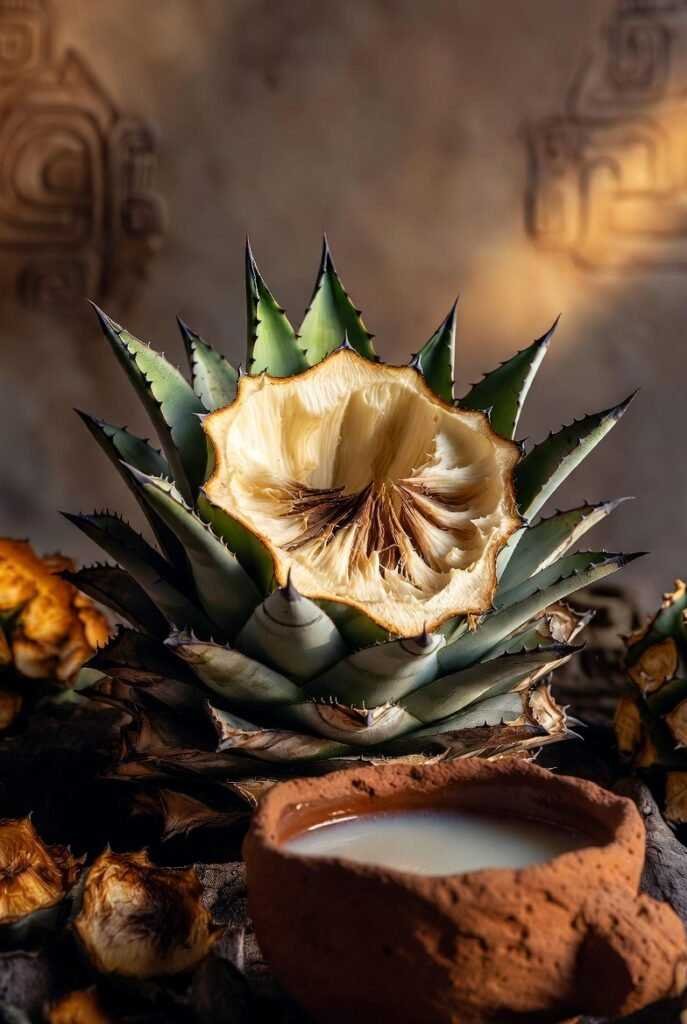
The history of tequila and mezcal 2026 begins thousands of years ago in Mesoamerica. Indigenous peoples — including the Aztecs, Maya, Olmecs, and earlier civilizations — revered the agave plant, known as maguey or metl. They used every part of it: fibers for rope, clothing, and baskets; sap for medicine; and the roasted hearts (piñas) for food. Because agave was so versatile, it became central to daily life and spiritual practice.
The star beverage of the era was pulque, a milky, lightly fermented drink made from agave sap. The Aztecs considered it sacred — a gift from the gods. They worshipped Mayahuel, the goddess of the maguey, and her husband Patecatl, the god of pulque. Pulque was typically reserved for rituals, priests, the elderly, and lactating mothers. With around 4-6% ABV, it was mildly alcoholic, nutritious, and refreshing. However, because it spoiled quickly, production and consumption remained local.
No distillation existed in the Americas before Columbus. Therefore, the transformation into distilled spirits would require outside influence.
The Spanish Arrive: Birth of Distilled Agave Spirits in the History of Tequila and Mezcal 2026
When Spanish conquistadors arrived in the 1500s, they brought copper stills (alembics) influenced by Arabic and European techniques. Running low on brandy, they improvised by applying distillation to local agave fermentation. Indigenous knowledge of pulque met Old World methods, and agave spirits were born — initially called mezcal wine or vino de mezcal.
The word “mezcal” comes from the Nahuatl mexcalli, meaning “oven-cooked agave.” Early production took root in regions like Colima, Jalisco, and later Oaxaca. By the 1600s, the first official tequila distillery appeared near the town of Tequila in Jalisco (Hacienda Cuisillos, established around 1600 by Don Pedro Sánchez de Tagle, often called the “father of tequila”). Spain regulated the spirit at times, but it thrived in Jalisco’s highlands, where volcanic soil and blue Weber agave grew perfectly.
In short, the history of tequila and mezcal 2026 is a beautiful fusion of pre-Columbian tradition and colonial innovation.
Tequila vs. Mezcal: The Ultimate Showdown in the History of Tequila and Mezcal 2026
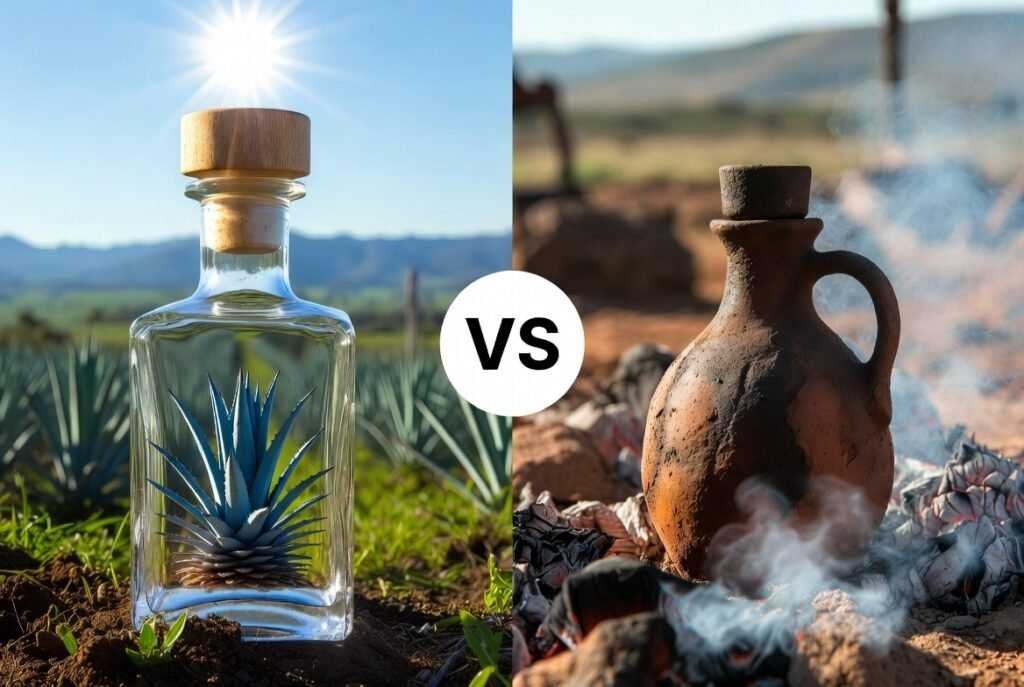
All tequila is technically a type of mezcal, but not all mezcal is tequila. This distinction is central to the history of tequila and mezcal 2026.
Tequila:
- Must be made only from blue Weber agave (Agave tequilana).
- Produced primarily in Jalisco and a few limited areas protected by Denomination of Origin (DO) status granted in 1974 — similar to Champagne or Scotch.
- Piñas are usually cooked in brick ovens or modern autoclaves for efficiency.
- Typically distilled twice in copper pots or columns.
- Flavor profile: Cleaner, vegetal, citrus, peppery, or sweet depending on aging. Generally less smoky.
Mezcal:
- Can be made from dozens of agave varieties (espadín is most common, but wild types like tobasiche or cuishe add unique character).
- Primarily from Oaxaca, though other states also produce it.
- Traditional method: Piñas roasted in underground earthen pits lined with hot rocks and agave leaves, creating the signature smoky, earthy flavor.
- Often distilled in small clay or copper pots, sometimes only once.
- Flavor profile: Complex, smoky, floral, herbal, or fruity. More artisanal and variable.
Other key differences:
- Aging categories (blanco/joven, reposado, añejo) exist for both, but mezcal often stays younger to highlight its smoke.
- Production scale: Tequila is more industrialized and widely exported; many mezcals remain small-batch at traditional palenques.
- ABV: Both usually range 35–55%, but mezcal can feel bolder and more rustic.
Because of these contrasts, the history of tequila and mezcal 2026 gives drinkers real choice — clean and crisp versus bold and smoky.
Denomination of Origin & the Fight for Authenticity
In 1974, Mexico secured protected Denomination of Origin status for tequila, ensuring only spirit made from blue Weber agave in designated regions can legally be called tequila. Mezcal received its own DO in 1994 (later expanded). These protections were game-changing because they prevent cheap imitations and preserve centuries of heritage — much like American patriots fight to protect bourbon, Tennessee whiskey, or craft traditions.
In Safety Harbor, when you choose authentic bottles, you directly support that legacy of quality and tradition.
From Mexico to Main Street: How These Spirits Reached America
Tequila gained popularity in the U.S. in the early 20th century, boosted by Prohibition-era smuggling and later by cocktails like the Margarita (with roots in the 1930s–1940s). The 1980s and 1990s premium boom, led by brands like Patrón, elevated it further. Mezcal remained more niche until the 2010s renaissance, when enthusiasts discovered its complexity and artisanal appeal.
Today, both spirits are exploding in popularity for Cinco de Mayo and year-round. They fit perfectly into Florida’s vibrant Mexican food scene and Safety Harbor’s relaxed, neighborly celebrations.
These drinks are perfect for the real story behind Cinco de Mayo — read the full history here.
Pairing Like a Patriot in Safety Harbor & Pinellas County
For Cinco de Mayo 2026, here are practical recommendations:
- Blanco Tequila: Ideal for crisp margaritas or palomas. Try Espolòn or Fortaleza for excellent value and quality.
- Reposado Tequila: Great for sipping or ranch water. Don Julio or Siete Leguas deliver smooth character.
- Mezcal: Perfect for smoky twists on classics or enjoyed neat. Del Maguey Vida or Bozal are approachable starters.
Local tip: Pair fresh tacos at The Screaming Jalapeno with a reposado on the rocks or a mezcal mule. Supporting these small businesses respects the craft we explored in the history of tequila and mezcal 2026.
Ready to put this knowledge to use? See the full guide to Cinco de Mayo in Pinellas County for the best local events and restaurant recommendations.
Responsible Drinking and Myths Busted
Enjoy these spirits in moderation. Hydrate, eat plenty, and never drink and drive — especially during a busy holiday in Pinellas County.
Common Myths:
- Myth: All mezcal is super smoky. Reality: Smoke levels vary; some are subtle and floral.
- Myth: Tequila always causes worse hangovers. Reality: Quality matters far more than type — cheap mixto tequila with added sugars is usually the culprit.
- Myth: Mezcal is always superior because it’s artisanal. Reality: Both categories offer excellent options; personal preference rules.
Lessons for Patriots: Craft, Tradition & Community
The history of tequila and mezcal 2026 embodies underdog spirit — humble agave transformed into world-class spirits through ingenuity and perseverance. In Safety Harbor, we celebrate the same American ideals: hard work, heritage, and enjoying the fruits of tradition.
This deeper knowledge makes your Cinco de Mayo experience richer. It turns a simple drink into culture in a glass.
Your 2026 Action Plan
- Learn one new fact from the history of tequila and mezcal 2026 to share at your gathering.
- Buy authentic bottles (look for the CRT seal on tequila and proper DO labels on mezcal).
- Visit local Pinellas spots and support restaurants that respect the craft.
- Toast responsibly to resilience, good neighbors, and another great year.
This post is part of the complete Cinco de Mayo 2026 series. Read the True History of Cinco de Mayo 2026 for the Battle of Puebla background, and check the Ultimate Guide to Cinco de Mayo in Pinellas County for events, deals, and family tips.
What’s your go-to tequila or mezcal? Drop it in the comments — let’s build a Safety Harbor patriot’s spirit guide together.
¡Salud! Raise a glass to history, heritage, and community. 🇺🇸🥃

Eric Webber is the founder of Bathrobe Patriot, a lifestyle brand centered on bourbon, cigars, and common sense. As an ISSA-certified trainer and former restaurant owner with 20 years of experience, he values quality over quantity and backbone over political correctness. Currently, Eric lives in Safety Harbor, Florida, where he advocates for a life of balance, discipline, and the occasional slow pour. Consequently, his mission is to provide you with the unfiltered truth about the gear, spirits, and culture that define the American spirit.