
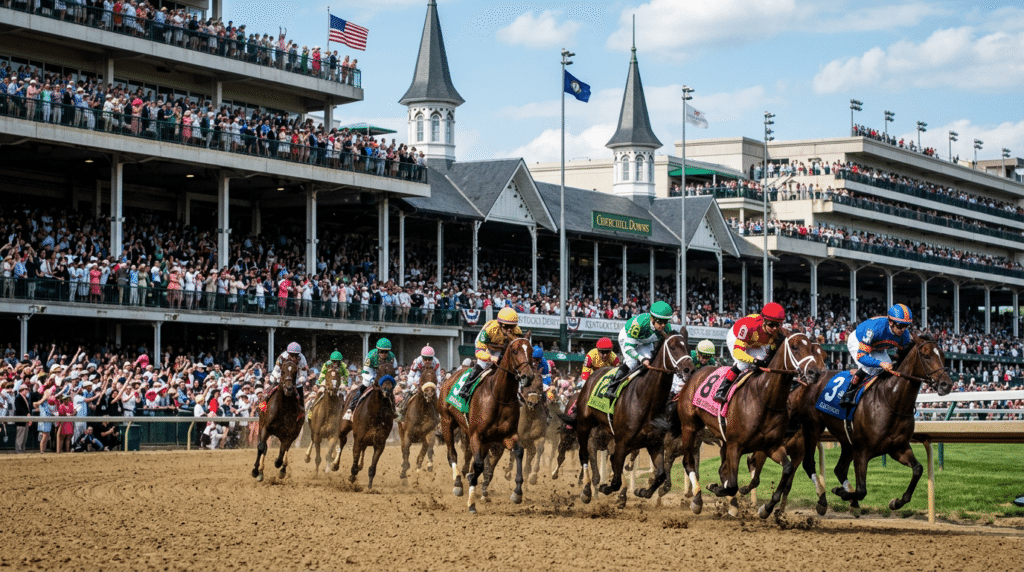
Kentucky Derby history proves that this event is not merely a horse race; rather, it is a permanent fixture in the American psyche. Known globally as “The Run for the Roses” and locally as “The Most Exciting Two Minutes in Sports,” this spectacle has survived world wars, economic depressions, and massive social upheavals. Consequently, it remains the longest-running continuous sporting event in the United States today.
To truly understand Kentucky Derby history, one must look beyond the mint juleps and flamboyant hats. Instead, we must examine the dirt of Churchill Downs, the lineages of the Thoroughbreds, and the cultural shifts that transformed a local race into a global phenomenon. Furthermore, we must honor the legends who built the track’s foundation from the ground up.
The Genesis of Kentucky Derby History: Meriwether Lewis Clark Jr.
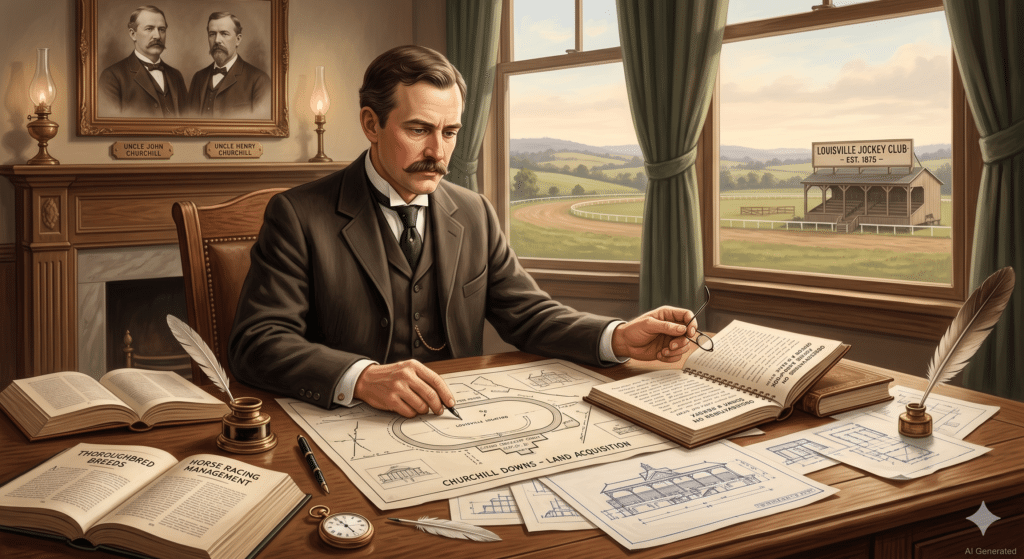
The story of Kentucky Derby history officially begins in 1872. Meriwether Lewis Clark Jr., grandson of the legendary explorer William Clark, traveled across Europe and visited the Epsom Derby in England. Clark felt deeply inspired by the prestige and social organization of European racing. Therefore, he returned to Kentucky with a bold vision to create a premier racing event on American soil.
With land provided by his uncles, John and Henry Churchill, Clark formed the Louisville Jockey Club. On May 17, 1875, he hosted the very first race in Kentucky Derby history. A crowd of approximately 10,000 people watched as Aristides, a magnificent chestnut colt, crossed the finish line first. However, the early years were not without struggle. The club faced significant financial hurdles before becoming the powerhouse it is today.
The African American Influence on Early Racing
It is a vital historical fact that Black jockeys dominated the early years of Kentucky Derby history. In the inaugural race, 13 of the 15 jockeys were African American. Specifically, Oliver Lewis set the standard for a generation of elite athletes like Isaac Murphy. Murphy became the first jockey to win three Kentucky Derbies, cementing his place in the . Understanding this contribution is essential for any true student of the sport.
Evolution of the Venue: From Club to Cathedral
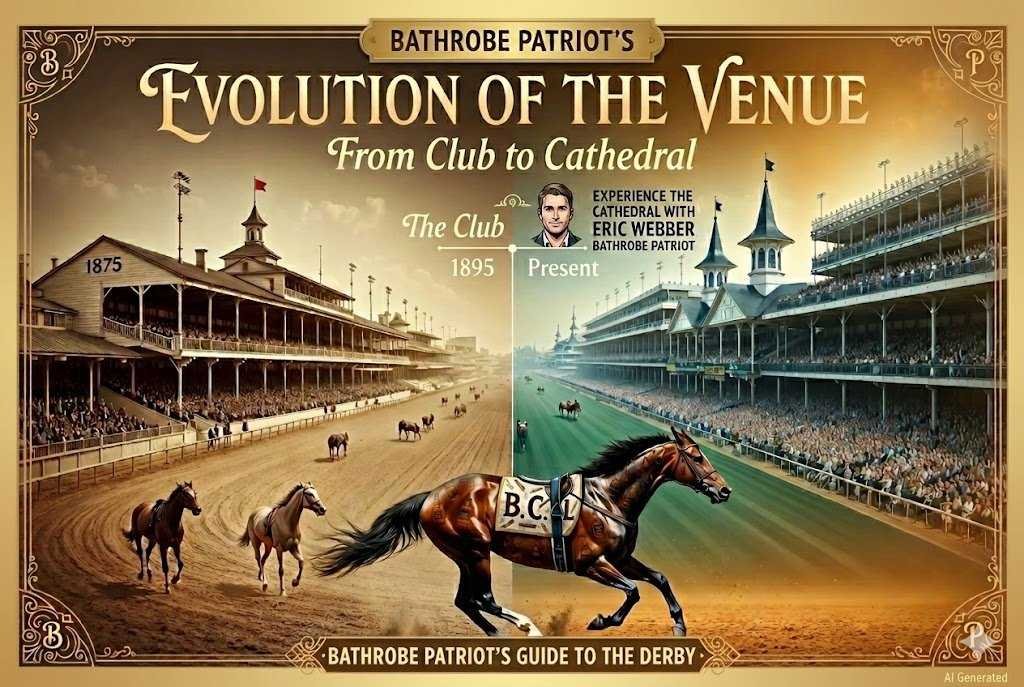
While the race achieved immediate local success, the Louisville Jockey Club struggled financially at first. Consequently, the track didn’t officially adopt the name “Churchill Downs” until 1883. However, the most iconic change in Kentucky Derby history occurred in 1895 with the construction of the Twin Spires.
Architect Joseph Dominic Baldez designed the Twin Spires as a decorative flourish on the grandstand. Today, they represent the pinnacle of horse racing prestige. Furthermore, as the race grew, so did the physical demands on the horses. Officials eventually shortened the distance to the current 1.25 miles in 1896 because the original 1.5-mile length taxed the three-year-old Thoroughbreds too heavily so early in the season.
The Golden Era: Triple Crown Legends
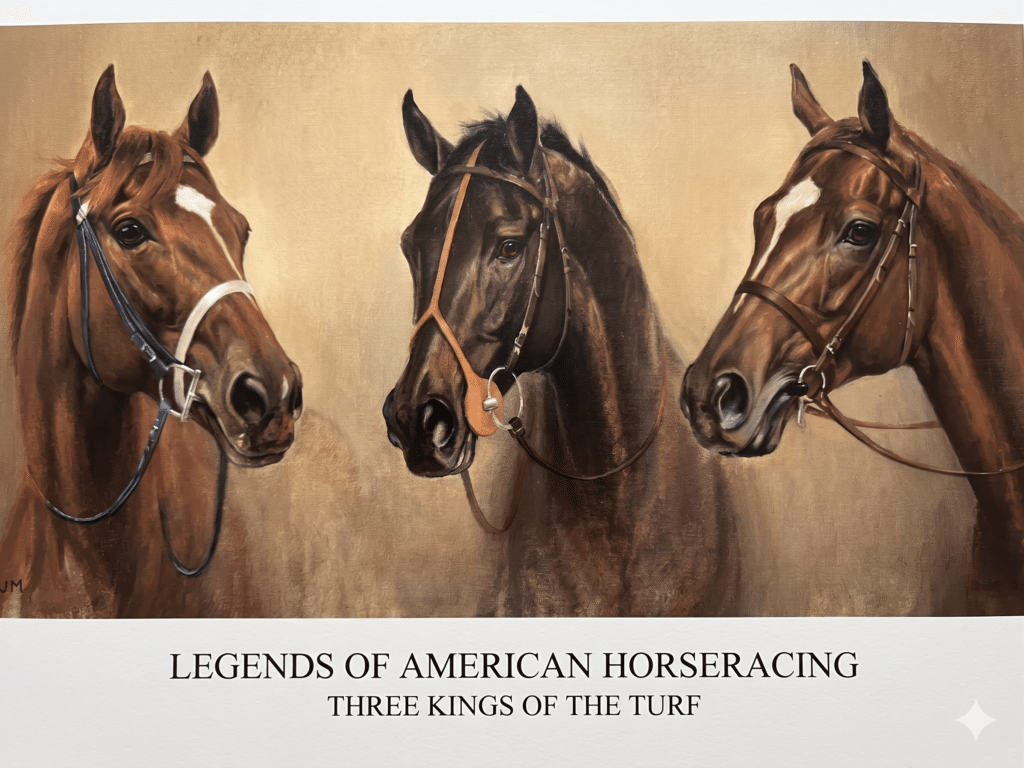
The early 20th century saw the race transition from a regional attraction to a national institution. This shift happened largely thanks to Colonel Matt Winn, a promotional genius who transformed the race into a “must-attend” social event. Under his leadership, the Derby became a spectacle of fashion and high society.
The Rise of the Triple Crown
The 1919 victory of Sir Barton marked a turning point in Kentucky Derby history. Although the term “Triple Crown” wasn’t common yet, it gained massive popularity when Gallant Fox won the Derby, the Preakness Stakes, and the Belmont Stakes in 1930.
During the 1930s and 40s, the race provided a much-needed distraction from the Great Depression. Even during World War II, the tradition never broke. In addition to the race itself, fans can learn about the spirits that fuel these crowds in our guide to the .
Just as the Kentucky Derby provided a much-needed escape and sense of grandeur during the Great Depression and World War II, the Masters Tournament has built its own legendary place in American sporting history.
Traditions and Rituals in Kentucky Derby History
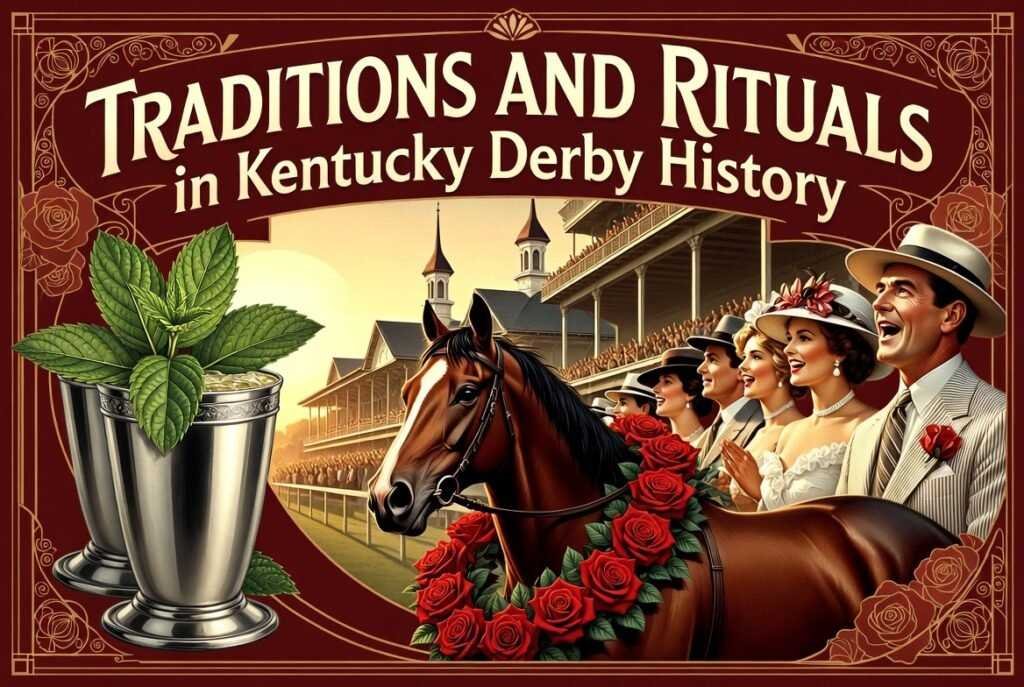
What separates this race from the Breeders’ Cup is the ritual. These traditions serve as “trust signals” for fans who return year after year.
- The Mint Julep: This official drink consists of bourbon, sugar, water, and fresh mint. Vendors serve over 120,000 juleps every Derby weekend.
- “My Old Kentucky Home“: Since 1921, the University of Louisville Marching Band has played this ballad during the post-parade. It is a moment of deep emotional resonance for the crowd.
- The Garland of Roses: Ben Brush received the first floral arrangement in 1896. Today, the tradition features a garland of over 400 red roses. To see how these traditions extend to the plate, explore our .
The mint julep has been the official drink of the Kentucky Derby since the 1930s, and if you want to master this iconic bourbon cocktail or discover more ways to elevate your next big event, check out our Bourbon & Blitzes guide
Scandals and Controversy in Kentucky Derby History
No 150-year retrospective is complete without mentioning the moments that shook the industry. Indeed, controversy is often as much a part of the legend as the victories themselves.
The Dancer’s Image Disqualification (1968)
In 1968, Dancer’s Image became the first winner in Kentucky Derby history to face disqualification after the race. A positive test for phenylbutazone sparked a legal battle that lasted years. Ultimately, officials awarded the victory to Forward Pass, a decision that still sparks debate among purists.
The Medina Spirit Case (2021)
History repeated itself in 2021 when Medina Spirit tested positive for betamethasone. Consequently, the horse faced a posthumous disqualification. This event sparked massive debates and led to the creation of the . These reforms aim to ensure the future of the sport is as clean as its storied past.
Legends of the Turf: The Heroes We Never Forget
Secretariat (1973)
Secretariat remains the greatest name in Kentucky Derby history. In 1973, “Big Red” set a track record of 1:59.40—a record that still stands. His performance remains a physiological marvel; specifically, an autopsy later revealed his heart was nearly twice the average size. Because of his dominance, he is often cited as the greatest athlete of the 20th century.
Barbaro (2006)
Barbaro’s dominant win in 2006 captured the nation’s heart. However, his subsequent injury in the Preakness Stakes made him a symbol of equine fragility. Today, his legacy continues through increased funding for equine health research at institutions like the .
Conclusion: The Future of Kentucky Derby History
As we look toward the future, the race faces modern challenges like digital gambling and animal welfare. Nevertheless, the essence of the race remains untouched. It is a spectacle of speed, a test of stamina, and a celebration of American culture. Whether you are betting on a longshot or simply enjoying the fashion, Kentucky Derby history reminds us that some traditions are worth preserving.

Eric Webber is the founder of Bathrobe Patriot, a lifestyle brand centered on bourbon, cigars, and common sense. As an ISSA-certified trainer and former restaurant owner with 20 years of experience, he values quality over quantity and backbone over political correctness. Currently, Eric lives in Safety Harbor, Florida, where he advocates for a life of balance, discipline, and the occasional slow pour. Consequently, his mission is to provide you with the unfiltered truth about the gear, spirits, and culture that define the American spirit.