
Cigars for beginners do not need to be complicated, expensive, or intimidating. You do not need to know every wrapper, country of origin, or fancy lounge term before enjoying your first cigar. You just need a smooth starter cigar, a clean cut, a proper light, and enough patience to slow down and enjoy the experience.
This Cigars 101 guide breaks down exactly how to choose, cut, light, smoke, store, and pair a cigar as a beginner. Whether you are buying your first cigar for the backyard, a golf round, a fire pit, or a bourbon night with friends, this guide will help you avoid rookie mistakes and find a smoke you actually enjoy.
Quick Note Before We Light Up
Cigars are meant to be enjoyed slowly, responsibly, and by adults of legal age. This guide is not about turning cigar smoking into a daily habit or pretending tobacco is risk-free. Cigar smoke contains harmful chemicals, and cigars contain nicotine, which is addictive. Even if you do not inhale, cigar smoking can still carry health risks.
That said, many adults enjoy an occasional cigar as part of a relaxed lifestyle — after dinner, around a fire pit, during a golf outing, or paired with a good bourbon. The goal of this guide is simple: help beginners avoid common mistakes, choose smoother cigars, and understand the basics before spending money on the wrong smoke.
Once you’re comfortable choosing and smoking the cigar itself, my bourbon and cigar pairing guide shows you how to match cigar strength, wrapper and flavor with bourbon proof, sweetness, oak and spice.
What Makes a Great Cigar for Beginners?
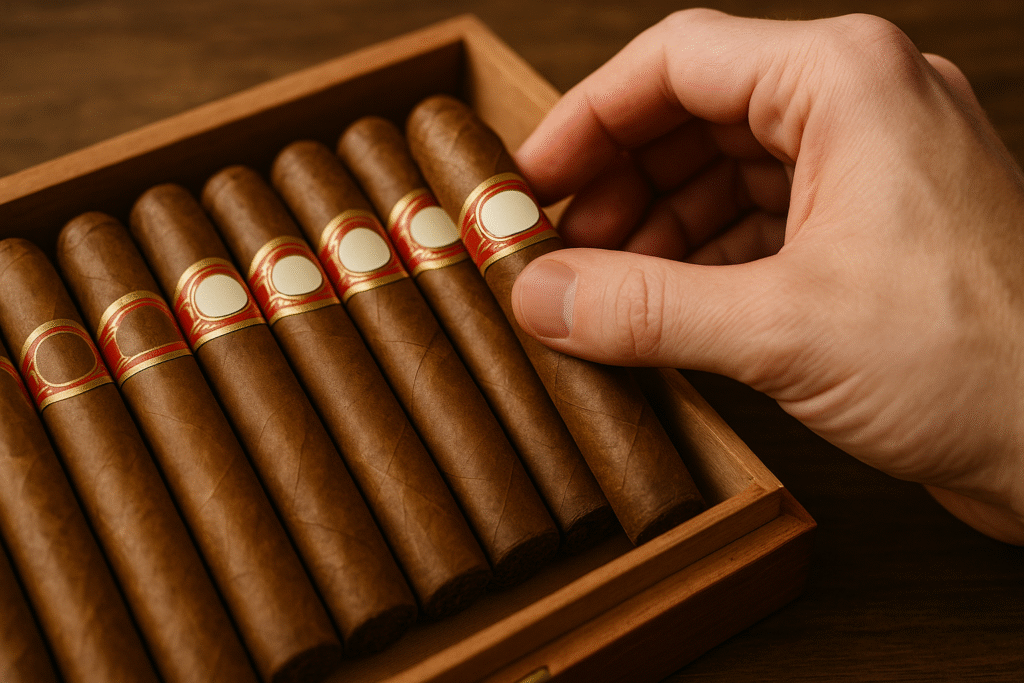
When choosing cigars for beginners, you want something smooth, mild, and easy to enjoy. No harsh pepper blasts. No overpowering strength. Just clean, balanced flavor.
Beginner cigar traits:
Mild to medium strength
Smooth, creamy flavor
Even burn
Good construction
Start Mild, Not Wild
The biggest mistake new cigar smokers make is trying to start with something too bold. A full-bodied cigar may sound impressive, but if your palate is not ready for it, the experience can become harsh, bitter, or overwhelming fast.
For beginners, mild to medium cigars are the sweet spot. Look for words like Connecticut, mellow, creamy, smooth, or mild-bodied. These cigars usually offer easier flavors like cedar, cream, toast, nuts, light spice, and coffee instead of heavy pepper, earth, or strong nicotine strength.
A good beginner cigar should make you want to relax — not tap out halfway through.
What Is the Best First Cigar for a Beginner?
The best first cigar for a beginner is usually a mild-to-medium-bodied cigar with a Connecticut wrapper, solid construction, and a comfortable size such as a Robusto or Toro. You are looking for cream, cedar, toast, coffee, nuts, and light spice—not a nicotine bomb that leaves you feeling like you lost a fight with a pepper shaker.
A good first cigar should burn evenly, draw easily, and give you enough flavor to understand why people enjoy cigars in the first place. Start with one cigar instead of buying a full box. Smoke it slowly, pay attention to how it tastes, and decide whether you want something milder, stronger, sweeter, creamier, or more peppery next time.
For a more detailed list of budget-friendly recommendations, read my guide to the
10 Best Affordable Cigars in 2026: Great Smokes Without the Premium Price
and use it as your next-step shopping list.
Cigar Anatomy 101: Know What You’re Holding
Before you cut and light your first cigar, it helps to understand the basic parts.
The head is the end you cut and place in your mouth. The foot is the open end you light. The wrapper is the outer leaf, and it has a major influence on flavor, appearance, and burn quality. Inside the cigar are the binder and filler tobaccos, which make up the body and structure of the smoke.
You do not need to become a cigar scholar overnight. However, knowing these simple terms makes cigar shopping easier and helps you follow conversations at a lounge without feeling lost.
Don’t Overthink the Cut
Cutting a cigar is simple once you know what not to do. The goal is to remove just enough of the cap to create a clean opening without damaging the cigar. If you cut too much, the wrapper can unravel, and your smoke can turn into a mess before it even begins.
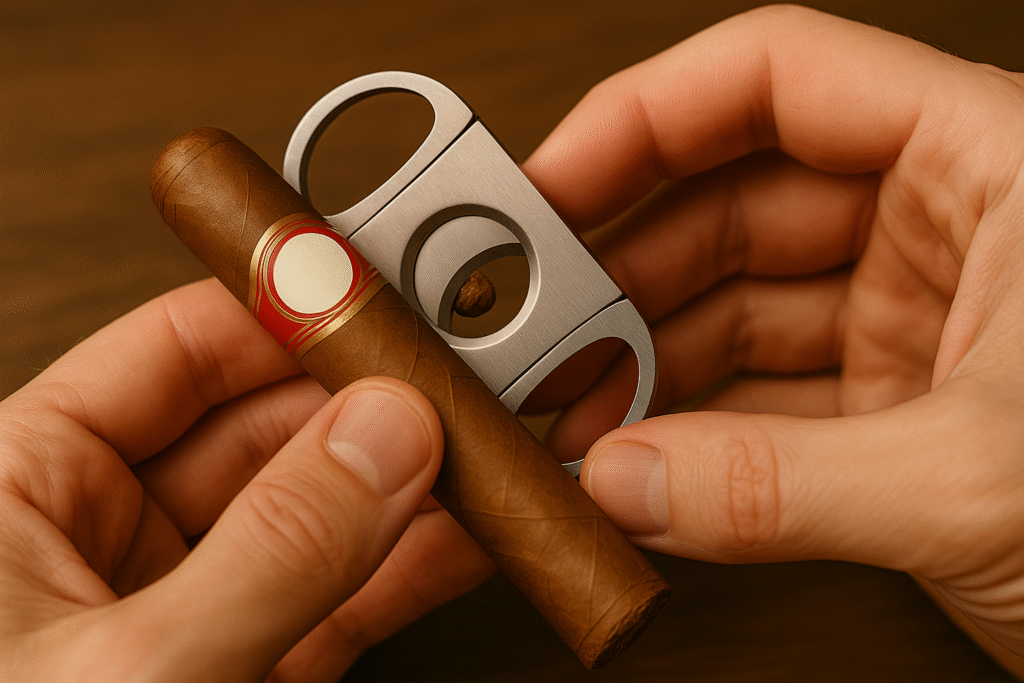
For most beginners, a straight guillotine cut is the easiest place to start. Hold the cigar firmly, line up the cutter just above the cap line, and make one quick, confident cut. Do not saw at it. Do not crush it. Just clip and move on.
How to Cut Cigars for Beginners (Simple & Stress-Free)
A proper cut makes the cigar draw smoothly — which is especially important for cigars for beginners.
Steps:
Use a sharp guillotine cutter
Cut just above the cap line (⅛ inch)
Keep the cut quick and clean
Before lighting your cigar, take one dry draw through the cut end. It should feel open and comfortable—not completely loose, but not tight enough that you have to work for every puff. If the draw feels plugged, do not keep cutting deeper into the cap. That can cause the wrapper to unravel. Instead, use a draw tool, try a slightly wider cut, or save the cigar for a more experienced smoker to troubleshoot.
Should Beginners Use a Straight Cut, V-Cut, or Punch Cut?
A straight cut is the best choice for most beginners because it works on almost any cigar and creates an easy draw.
A V-cut creates a deeper channel and can concentrate the smoke slightly more. Some cigar smokers love it, but it is not always ideal for smaller ring gauges.
A punch cut makes a small hole in the cap. It can be clean and easy, but it may create a tighter draw depending on the cigar.
For your first few cigars, keep it simple: buy a sharp straight cutter and learn the basics before experimenting.
How to Light Cigars for Beginners (Without Burning the Wrapper)
Lighting a cigar is not like lighting a cigarette. Done right, it improves flavor and prevents canoeing.
Toast First, Puff Second
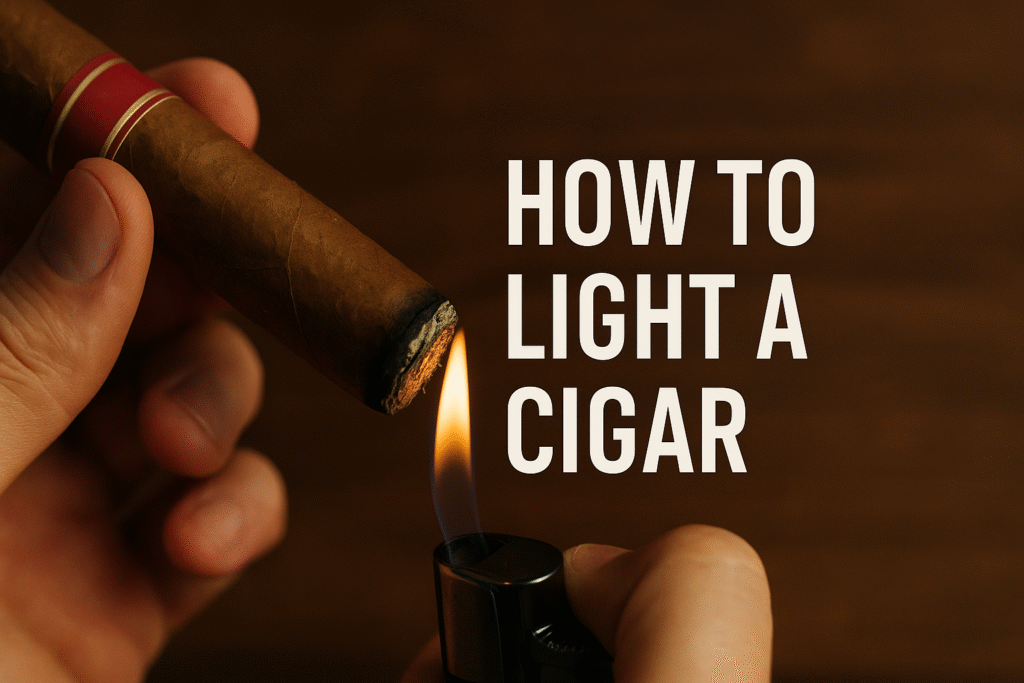
The secret to lighting a cigar properly is patience. Do not jam the flame directly into the foot and scorch the tobacco. Instead, hold the flame close enough to warm and toast the foot while rotating the cigar slowly.
Once the edges begin to glow evenly, take a few gentle puffs while continuing to rotate. Your goal is an even cherry across the foot. This helps prevent canoeing, tunneling, and that burnt flavor beginners sometimes blame on the cigar itself.
Avoid candles, gasoline-style lighters, and anything that can add unwanted flavors. A butane torch or long wooden match is the better move for most beginners.
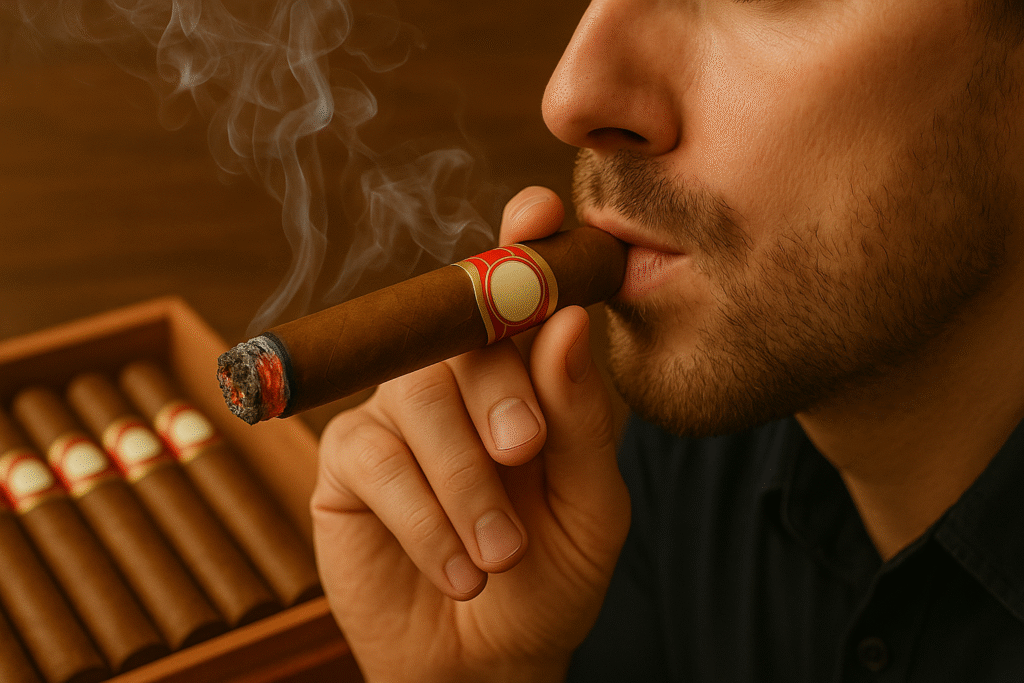
How to Smoke a Cigar Properly: Beginner Pacing and Technique
Smoking a cigar properly is less about looking like a pro and more about not rushing the experience. Do not inhale cigar smoke into your lungs. Draw a small amount of smoke into your mouth, taste it for a moment, then exhale gently. A slow pace keeps the cigar cooler, smoother, and more flavorful.
Most beginners do best with one puff about every 30 to 60 seconds. If the cigar starts tasting hot, bitter, or harsh, set it down for a minute or two. You are probably smoking too fast. A cigar is supposed to be a slow ritual, not a race to the finish line.
You don’t inhale a cigar — you draw the smoke into your mouth, savor the flavor, and gently exhale.
Pacing:
- One puff every 30–45 seconds
- Let it rest, don’t rush it
- If it goes out, simply relight — no shame in it
How Long Should a Cigar Last?
A cigar is not a race. A smaller cigar may last 25–40 minutes, while a larger cigar can easily go an hour or more. Beginners often puff too fast because they are used to cigarettes, pipes, or simply feeling unsure about what to do.
Slow down. Take a puff, enjoy the flavor, and let the cigar rest. If the smoke gets hot, bitter, or harsh, you are probably smoking too quickly. A relaxed pace gives you better flavor and a better experience.
What Should a Beginner Taste in a Cigar?
Do not worry if you cannot identify fifteen tasting notes on your first cigar. Most people cannot. Start with simple flavor categories.
Ask yourself:
Is it creamy or dry?
Is it sweet or spicy?
Is it smooth or harsh?
Do I taste cedar, toast, coffee, nuts, pepper, cocoa, or leather?
Does the cigar get stronger as it burns?
That is enough. Your palate gets better with time. The more cigars you try, the easier it becomes to understand what you like and what you should avoid.
Do Beginners Need a Humidor Right Away?
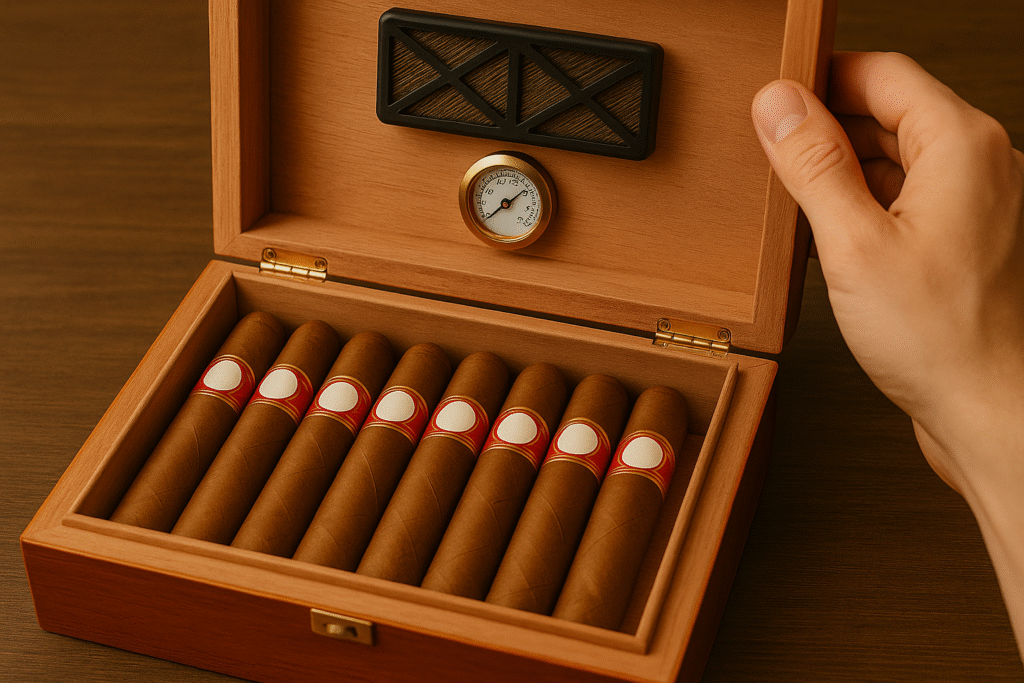
Not always. If you only buy one or two cigars at a time and smoke them soon, you do not need to invest in a large wooden humidor immediately. A small airtight container, acrylic humidor, or travel case with humidity packs can work well for a beginner setup.
Once you start keeping more cigars on hand, proper storage matters. Cigars can dry out, crack, burn too hot, or lose flavor when they are not kept at the right humidity. On the other hand, too much humidity can make cigars burn poorly and increase the risk of mold.
For everyday cigar storage, many smokers aim for around 65–69% relative humidity, while broader cigar storage ranges often fall around 65–72% RH depending on preference and setup.
Storage becomes especially important in hot, humid climates. Florida cigar smokers deal with a completely different set of problems than someone keeping a few cigars in a cool basement up north. Too much humidity can make cigars swell, burn unevenly, feel tight on the draw, and develop mold. For a full breakdown of Florida-friendly storage, read How to Store Cigars in Florida Without Losing Your Mind.
How to Store Cigars for Beginners
Nothing ruins cigars faster than bad storage. Beginners should start simple:
Beginner storage checklist:
Use a small humidor or airtight acrylic
Keep humidity around 65–69%
Use a digital hygrometer
Add Boveda packs for stability
Beginner Humidor Setup
You do not need a massive cigar cabinet to get started. A beginner-friendly humidor setup can be simple:
A small acrylic humidor
A digital hygrometer
Boveda humidity packs
A clean storage spot away from heat and direct sunlight
If you are ready to store more than a few cigars at home, a simple humidor is one of the smartest first upgrades you can make.
Need a beginner-friendly humidor?
Affiliate Disclosure: Some links in this article may be affiliate links. If you buy through them, I may earn a commission at no extra cost to you. I only recommend products I believe are useful or relevant to Bathrobe Patriot readers.
Tesonway 4-in-1 Humidor Accessory
What Size Cigar Should a Beginner Choose?
Cigar size can be confusing at first, but you do not need to memorize every shape. Start with common, easy-smoking sizes like a Robusto, Toro, or Corona.
A Robusto is a great beginner choice because it is not too short, not too long, and usually delivers a balanced smoking experience. A Toro gives you a longer session, while a Corona is often a little slimmer and more traditional.
Avoid giant cigars for your first smoke. They can take too long, feel overwhelming, and make it harder to tell whether you actually enjoy the flavor.
Best Cigar Size for Beginners: Robusto vs. Toro vs. Corona
Cigar size matters because it affects how long you smoke, how the cigar feels in your hand, and how much tobacco you are dealing with. Beginners usually do best with familiar, manageable sizes instead of giant cigars that take two hours and feel like a commitment.
A Robusto is usually the best beginner cigar size. It is commonly around five inches long with a thicker ring gauge, which gives you a comfortable 35-to-50-minute smoke. A Toro is slightly longer and can be a good choice when you have more time. A Corona is slimmer and more traditional, often delivering a more focused flavor profile.
Skip the massive six-by-sixty cigars for now. They may look impressive, but they can be too long, too much tobacco, and too much nicotine for someone still figuring out what they enjoy.
Best Cigars for Beginners: Smooth, Reliable Starter Picks
The best beginner cigar is not the strongest cigar or the most expensive cigar. It is the cigar that gives you a smooth draw, an even burn, and enough flavor to enjoy without overwhelming your palate.
Here are a few beginner-friendly cigars worth considering:
Macanudo Café
A classic mild cigar with a creamy, mellow profile. Great for first-time smokers who want something easy and approachable.
Romeo y Julieta 1875
Smooth, traditional, and balanced. This is a good choice for beginners who want a cigar with a little more character without jumping into heavy strength.
Arturo Fuente Chateau Fuente
A reliable, well-constructed cigar with cedar, cream, and mild spice. Fuente is a trusted name for a reason.
Oliva Connecticut Reserve
Creamy, smooth, and slightly more modern in flavor. A strong pick for someone who wants a mild cigar that still feels premium.
Perdomo 10th Anniversary Champagne
A smooth Connecticut-wrapped cigar with creamy flavor and excellent construction. This one is especially good for beginners who want a polished smoking experience.
Ashton Classic
Mellow, refined, and very beginner-friendly. It is not always the cheapest option, but it is a great example of what a smooth premium cigar should feel like.
When buying your first cigars, buy from a reputable cigar lounge, tobacconist, or established online retailer that stores cigars properly. A great cigar that has dried out in bad storage can taste harsh, burn badly, and give you the wrong impression of the blend. Freshness, construction, and storage matter just as much as the label on the cigar.
Once you’ve tried enough cigars to know what flavors and strengths you enjoy, the next step is finding a dependable go-to smoke. My guide to the best everyday cigars focuses on cigars that balance flavor, consistency, availability, and price.
Beginner Cigar Samplers: The Smart Way to Start
Instead of buying a full box right away, beginners should consider a cigar sampler. A good sampler lets you try several sizes, brands, and flavor profiles without committing to twenty cigars you may not love.
Look for samplers that include mild and medium cigars from trusted brands. Avoid mystery bundles packed with strong cigars unless you already know what you like.
Bathrobe Patriot Tip: Start a simple cigar notebook. Write down the cigar name, strength, flavor, burn quality, and whether you would buy it again. After five to ten cigars, your preferences will become much clearer.
Ready to try a beginner cigar sampler?

Best Drinks to Pair With Your First Cigar
You do not need a fancy pairing to enjoy your first cigar. Start simple.
Good beginner pairings include:
Coffee
Bourbon
Sparkling water
Unsweet tea
Root beer
Dark rum
Cream soda
Coffee works especially well with mild cigars because it complements creamy, nutty, and toasted flavors. Bourbon can be excellent too, but beginners should avoid pairing a strong cigar with a high-proof whiskey right out of the gate. Keep the cigar smooth and the pour approachable.
Bourbon and cigars can be a great combination, but beginners should keep both sides of the pairing approachable. Pair a mild Connecticut cigar with a lower-proof bourbon that has vanilla, caramel, oak, or honey notes instead of starting with a full-strength cigar and a barrel-proof whiskey. For simple pairing ideas, read Pairing Cigars With Bourbon: The Bathrobe Patriot Method.
Standard Cigar Etiquette for Beginners
Cigar etiquette is mostly common sense. You do not need to act fancy, but you should be respectful of the people around you.
Do not blow smoke in someone’s face.
Do not lick the cigar like you are in an old movie.
Do not crush the cigar into the ashtray like a cigarette.
Do not judge someone else’s cigar choice.
Do not bring outside cigars into a lounge without asking about the house policy.
Do not rush someone else’s smoke.
When you are finished, simply let the cigar rest in the ashtray and go out naturally. A cigar is not meant to be smashed out.
Cigars for Beginners: Common Mistakes to Avoid
Every cigar smoker makes mistakes in the beginning. The goal is to avoid the ones that ruin the experience.
Mistake #1: Choosing a cigar that is too strong
Start mild or medium. You can always work your way up later.
Mistake #2: Cutting too much off the cap
A bad cut can cause the wrapper to unravel.
Mistake #3: Puffing too fast
This overheats the cigar and makes it taste bitter.
Mistake #4: Inhaling
Cigar smoke is meant to be drawn into the mouth and enjoyed for flavor, not inhaled into the lungs.
Mistake #5: Ignoring humidity
Dry cigars crack and burn hot. Over-humidified cigars can burn poorly and taste muted.
Mistake #6: Buying a full box too soon
Try samplers first. Learn your taste before making a big purchase.
Your Next Step After Cigars 101
Once you have smoked a few mild-to-medium cigars, the next step is figuring out what style you enjoy most. You may find that you prefer creamy Connecticut wrappers, richer Nicaraguan blends, cedar-forward Dominican cigars, or bolder pepper-and-earth profiles.
Keep learning with these Bathrobe Patriot guides:
- [Top 10 Affordable Cigars That Smoke Like Luxury]
- [How to Store Cigars in Florida Without Losing Your Mind]
- [Pairing Cigars With Bourbon: The Bathrobe Patriot Method]
- [The History of Cigars: From Leaf to Legacy]
The more cigars you try, the faster you build your own taste instead of relying on somebody else’s opinion.

Final Thoughts: Every Patriot Starts Somewhere
Cigars can seem intimidating at first, but they do not have to be. Start mild, cut carefully, light slowly, puff patiently, and store your cigars properly. That alone puts you ahead of most beginners.
The goal is not to impress the guy at the cigar lounge. The goal is to find a smooth cigar, sit back, relax, and enjoy the moment.
Every patriot starts somewhere. Your first cigar does not need to be perfect. It just needs to be enjoyable enough to make you understand why cigar culture has lasted this long.
Ready to build your beginner cigar setup?
Start with a mild cigar sampler, a basic cutter, a reliable lighter, and a simple humidor setup. Keep it simple, keep it smooth, and enjoy the ritual.
Cigars for Beginners FAQ

Eric Webber is the founder of Bathrobe Patriot, a lifestyle brand centered on bourbon, cigars, and common sense. As an ISSA-certified trainer and former restaurant owner with 20 years of experience, he values quality over quantity and backbone over political correctness. Currently, Eric lives in Safety Harbor, Florida, where he advocates for a life of balance, discipline, and the occasional slow pour. Consequently, his mission is to provide you with the unfiltered truth about the gear, spirits, and culture that define the American spirit.