
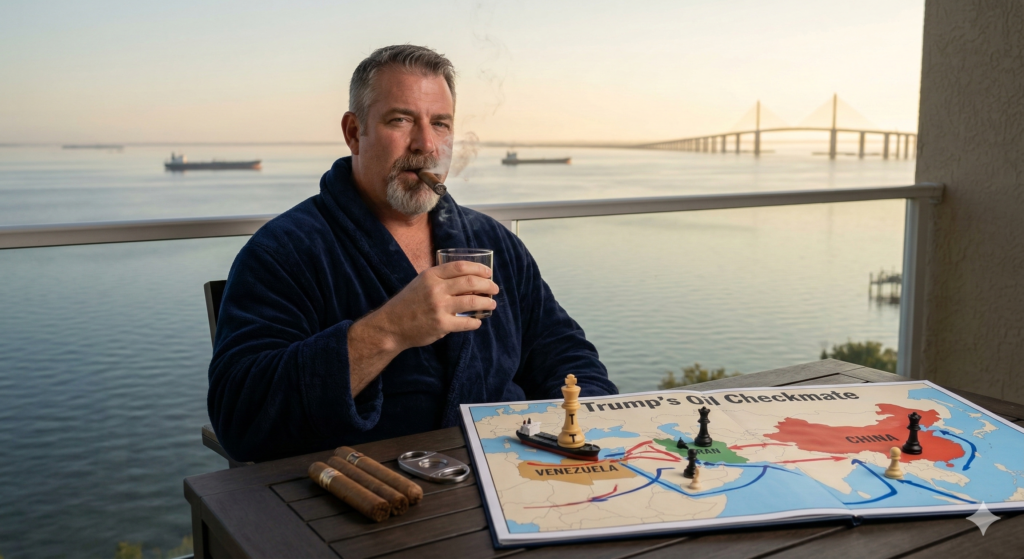
It’s early morning in Safety Harbor, Florida. The sun is just beginning to rise over Tampa Bay. I’m sitting on the porch in my bathrobe with a glass of bourbon and a cigar, thinking about the bigger picture of global politics, including the Trump energy strategy and its potential impact.
Moments like this remind me that the strength of a country often starts with simple traditions—hard work, community, and a belief in everyday patriotism. If you haven’t read it yet, our guide on Everyday Patriotism & Unity explains how small acts of national pride help build stronger communities.
But beyond the porch and the morning coffee, the world is shifting. Energy policy, trade competition, and geopolitical alliances are reshaping global power in ways many Americans don’t fully see.
Supporters of Donald Trump argue that the administration’s current strategy focuses heavily on energy dominance as a geopolitical tool, particularly when it comes to China, Russia, and emerging economic alliances.
Whether you support the strategy or question it, the conversation is worth examining.
Our philosophy of everyday patriotism focuses on building stronger communities and a culture of responsibility
The China Question: Trade, Technology, and Economic Rivalry
The economic relationship between the United States and China has evolved dramatically over the past three decades.
A major turning point occurred in 2001 when China joined the World Trade Organization, opening the door to massive global trade expansion. You can read more about this milestone through the official WTO history here:
https://www.wto.org/
American companies gained access to large manufacturing networks and inexpensive labor, while China gained broader access to Western consumer markets.
Over time, however, concerns began to grow regarding:
- Intellectual property protection
- Technology transfers
- Manufacturing offshoring
- Cybersecurity issues
Multiple U.S. administrations have addressed these concerns through tariffs, export controls, and shifting trade policies.
Supporters of a more aggressive strategy argue that energy markets may now play a role in the next phase of that competition.
If you enjoy a good pour, check out our guide to the best Irish whiskeys every working man should know.
Energy as Geopolitical Leverage
Energy production has always played a major role in global influence.
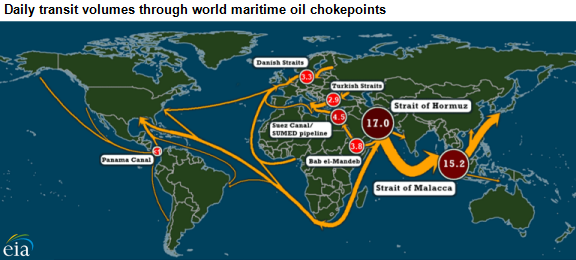
Countries that control oil production, transportation routes, and refining capacity often hold significant economic leverage over international markets.
Today, the United States is one of the largest energy producers in the world. According to the U.S. Energy Information Administration, American oil and natural gas output has expanded dramatically in recent years.
You can explore the latest production statistics here:
https://www.eia.gov/
Supporters of an energy-focused geopolitical strategy believe that maintaining strong domestic production can:
- Strengthen national security
- Stabilize global markets
- Reduce dependence on foreign energy suppliers
This perspective emphasizes that economic strength can sometimes influence global stability as much as military power.
Traditions like the biggest St. Patrick’s Day celebrations in America remind us how culture and patriotism are connected.
China’s Energy Dependence
China currently stands as the world’s largest importer of crude oil, making reliable energy supply a critical national priority.
According to research from the International Energy Agency, China imports millions of barrels of oil daily to support its industrial economy.
You can review their analysis here:
https://www.iea.org/
Because of this reliance, energy supply disruptions—whether through geopolitical tensions or shifts in global markets—could have significant effects on Chinese economic growth.
This is one reason China has invested heavily in:
- Strategic petroleum reserves
- International energy partnerships
- Alternative energy development
- Expanded naval protection of shipping routes
Energy security has become deeply connected to national strategy.
A quiet porch morning with one of the best budget cigars is hard to beat.
The Role of Russia, Iran, and Venezuela
Energy markets are also shaped by several major oil-producing nations, including:
- Russia
- Iran
- Venezuela
Sanctions, political instability, and shifting alliances in these regions can significantly influence global oil supply and prices.
Changes in production or export levels can ripple through financial markets, affecting everything from inflation to international diplomacy.
That’s why many policymakers consider energy policy a central component of broader geopolitical strategy.
The BRICS Alliance and the Future of the Dollar
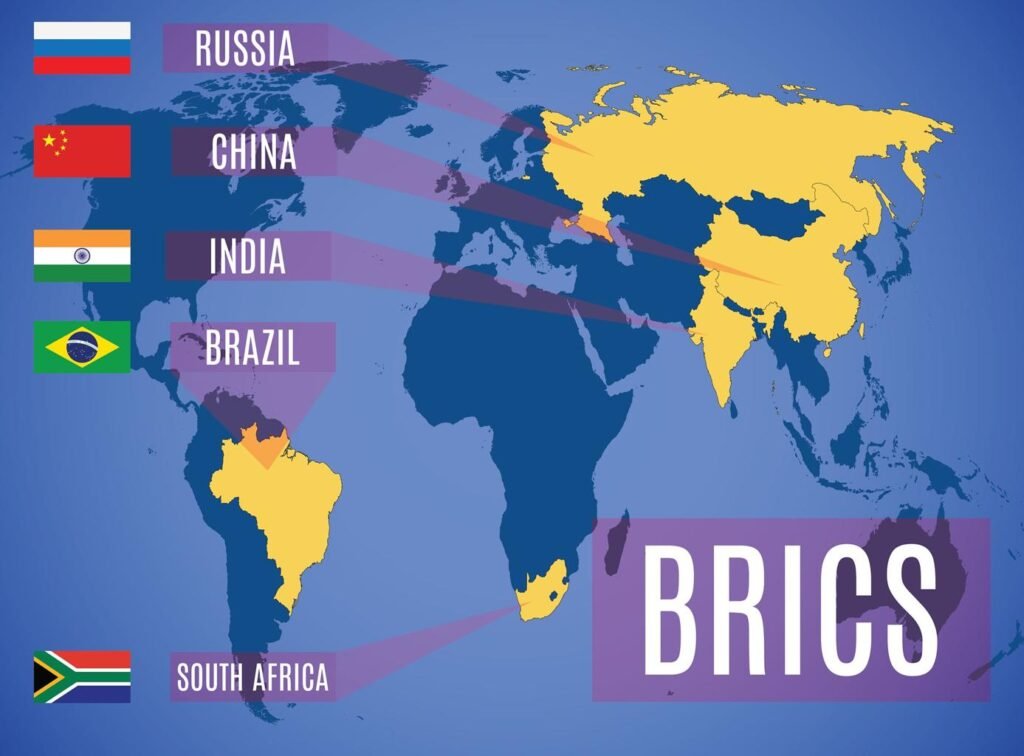
Another major development in recent years has been the expansion of the **BRICS economic alliance.
Originally formed by Brazil, Russia, India, China, and South Africa, BRICS nations have explored ways to increase trade cooperation and reduce dependence on Western financial systems.
More information about the BRICS alliance can be found here:
https://www.britannica.com/topic/BRICS
While some analysts believe these efforts could challenge the U.S. dollar in the long term, the dollar remains the dominant currency used in global energy transactions today.
Energy policy continues to play a major role in maintaining that financial influence.
Why Energy Policy Matters for Americans
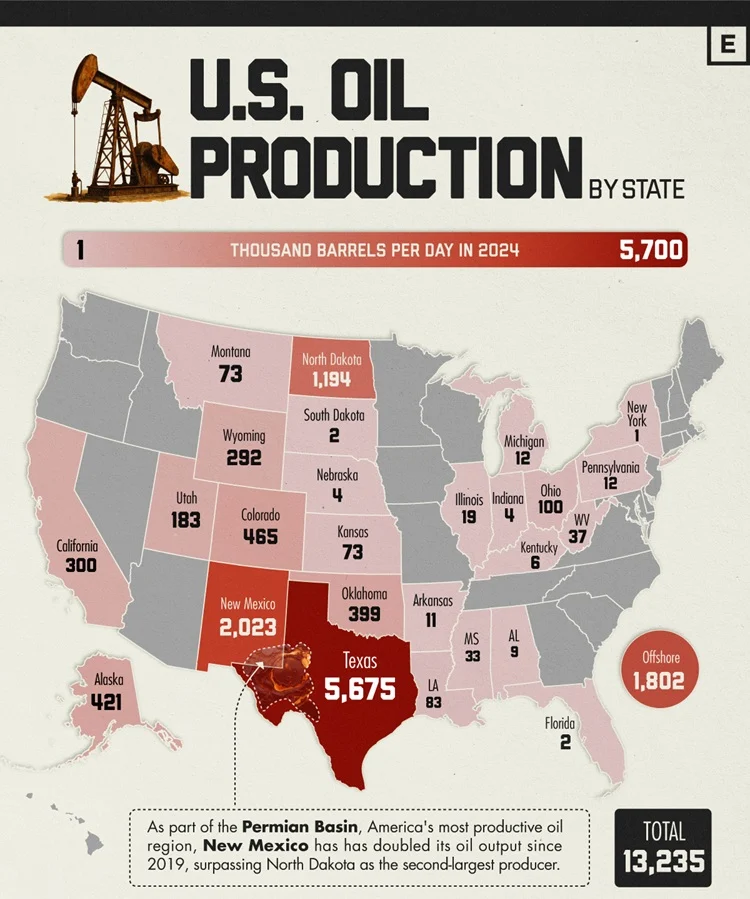
Regardless of political affiliation, energy independence remains an important national goal.
Strong domestic production can:
- Support American jobs
- Stabilize fuel prices
- Strengthen national security
- Reduce vulnerability to foreign supply disruptions
At the same time, policymakers continue debating how to balance energy production with environmental concerns and long-term sustainability.
These discussions will likely remain central to American politics for years to come.
A Moment on the Porch
Back on the porch here in Florida, with a bourbon in hand and a cigar slowly burning, the global chessboard can feel a little less chaotic.
Sometimes it’s worth stepping back and remembering that geopolitics isn’t just about headlines—it’s about long-term economic strength, national priorities, and the everyday values that hold a country together.
Speaking of cigars, if you’re looking for a great smoke without spending a fortune, check out our guide to the Best Budget Cigars.
And if your drink of choice leans Irish, you might enjoy our list of Top 5 Irish Whiskeys Every Working Man Should Know.
The Bottom Line
Energy policy remains one of the most powerful tools shaping global economics and geopolitics.
Oil markets influence trade relationships, national security strategies, and international alliances. As the global landscape evolves, energy independence and economic strength will continue to play a critical role in the conversation.
Here at Bathrobe Patriot, we believe strong communities and thoughtful discussions are part of what makes the country resilient.
If you enjoyed this article, you might also like exploring our coverage of American traditions like the Biggest St. Patrick’s Day Celebrations in America 2026.

Join the Conversation
What do you think about the role of energy policy in global politics?
Share your thoughts in the comments and join the discussion here at Bathrobe Patriot, where we talk about culture, tradition, and the issues shaping our country—one cigar and one bourbon at a time.

Eric Webber is the founder of Bathrobe Patriot, a lifestyle brand centered on bourbon, cigars, and common sense. As an ISSA-certified trainer and former restaurant owner with 20 years of experience, he values quality over quantity and backbone over political correctness. Currently, Eric lives in Safety Harbor, Florida, where he advocates for a life of balance, discipline, and the occasional slow pour. Consequently, his mission is to provide you with the unfiltered truth about the gear, spirits, and culture that define the American spirit.