
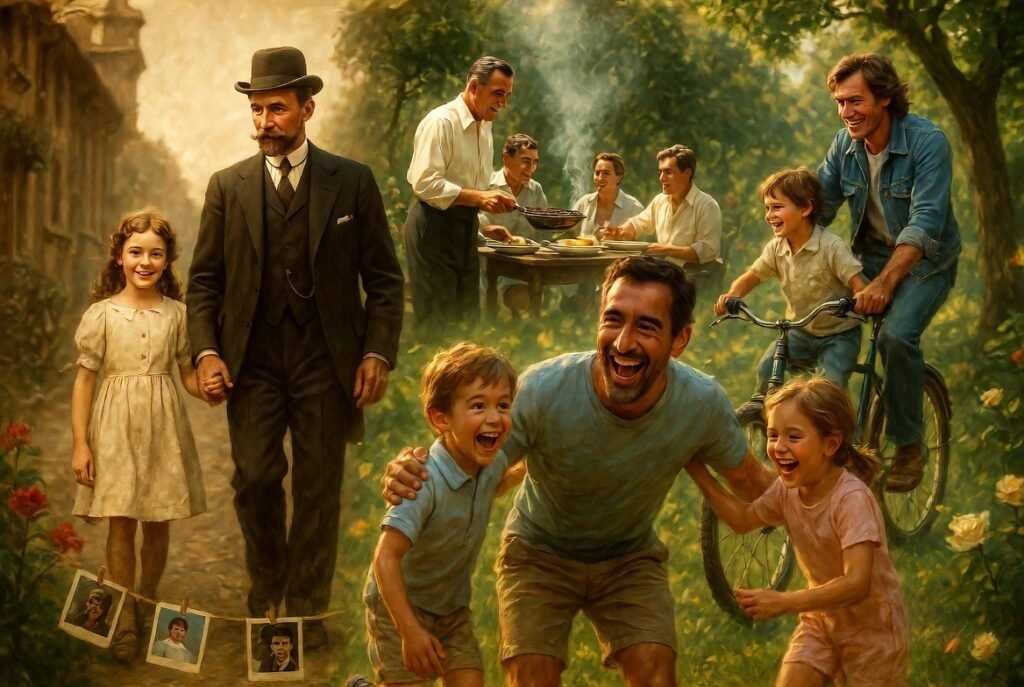
Father’s Day is more than a card, a steak dinner, a new grill tool, or another pair of socks. Learning about the history of Fathers Day can help us appreciate why this celebration exists in the first place.
At its best, Father’s Day is a moment to pause and recognize the men who showed up, sacrificed, taught hard lessons, worked long hours, protected their families, and helped shape the next generation.
But the history of Father’s Day is also more interesting than most people realize. The holiday did not become official overnight. It started with one daughter’s desire to honor her father, grew slowly through churches and communities, faced decades of resistance, and eventually became a permanent national holiday in the United States.
Today, Father’s Day has become a major celebration of fatherhood, family, mentorship, and male influence. In 2026, Father’s Day falls on Sunday, June 21, and families across the country will celebrate with barbecues, gifts, bourbon pours, cigars, beach days, fishing trips, sports, and simple quality time.
This guide breaks down the origin of Father’s Day, why it took so long to become official, how traditions have changed through the decades, how other countries celebrate, and what the future of Father’s Day may look like.
12 Best Bourbon Cocktails for Dad on Father’s Day 2026 – Easy Recipes to Toast Him in Tampa Bay
What Is Father’s Day?
Father’s Day is a holiday dedicated to honoring fathers, stepfathers, grandfathers, father figures, mentors, and the role of fatherhood in family life.
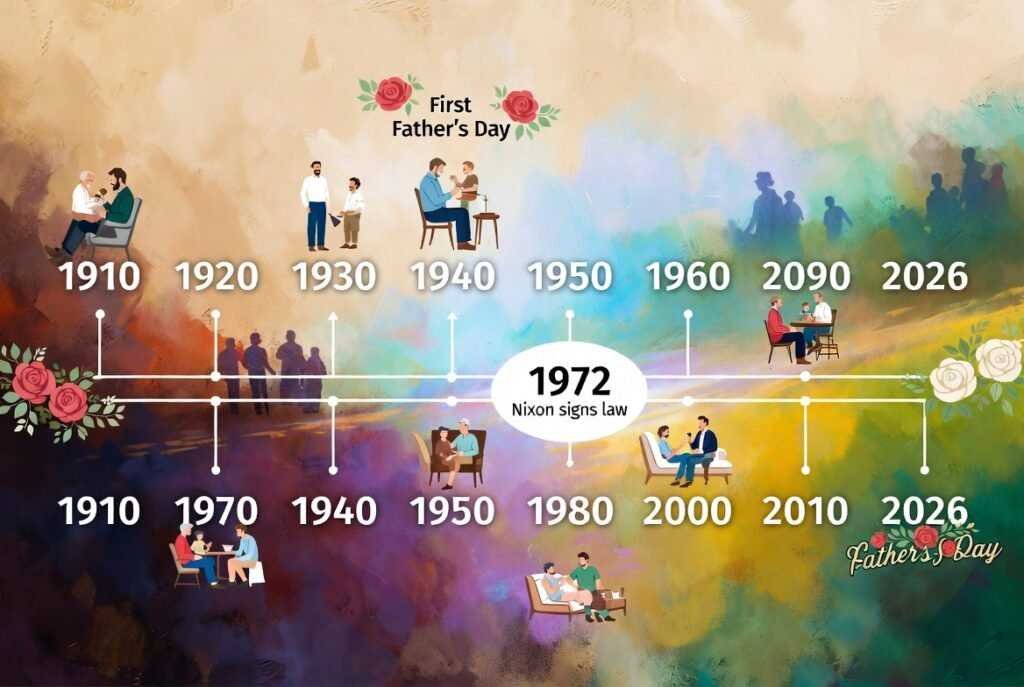
In the United States, Father’s Day is celebrated on the third Sunday in June. That date connects back to the original Father’s Day celebration in Spokane, Washington, in 1910. Britannica notes that the June observance connects to the birth month of Sonora Smart Dodd’s father, William Jackson Smart, and that the first Father’s Day was celebrated on June 19, 1910.
While many people think of Father’s Day as a modern retail holiday, its roots are deeply personal. It began as a tribute from a daughter to her widowed father, a Civil War veteran who raised six children on his own.
That origin story gives the holiday more heart than people often realize.
According to Britannica’s overview of the history of Father’s Day, the first Father’s Day was celebrated on June 19, 1910.
The Origin of Father’s Day: Sonora Smart Dodd’s Tribute to Her Father
The story of Father’s Day begins with Sonora Smart Dodd of Spokane, Washington.
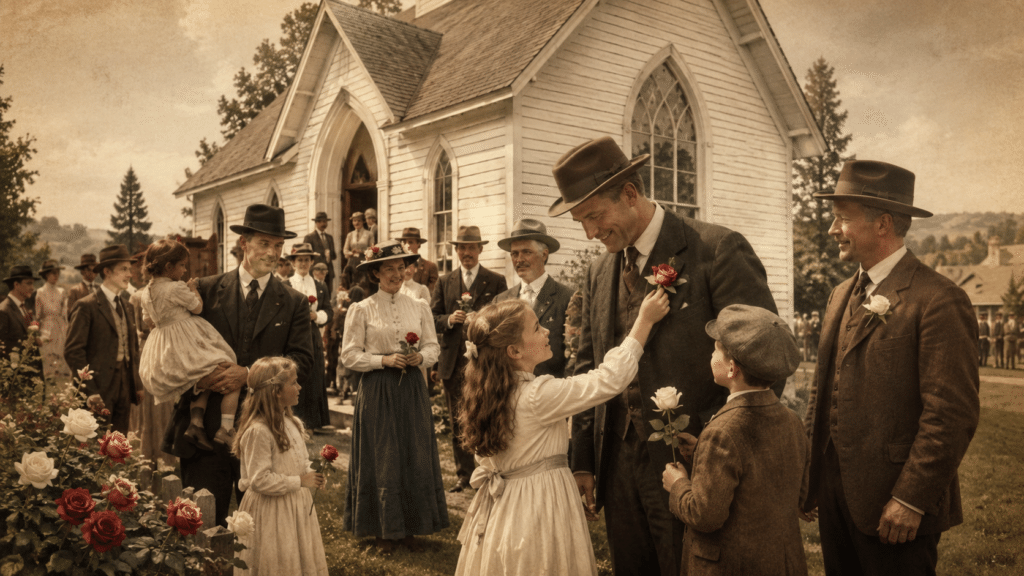
The first Father’s Day celebration in Spokane took place on June 19, 1910, after Sonora Smart Dodd pushed local religious and civic leaders to honor fathers.
Sonora was born in 1882. Her father, William Jackson Smart, was a Civil War veteran and a widower. After Sonora’s mother died in childbirth, William raised Sonora and her siblings as a single father.
In 1909, Sonora attended a Mother’s Day sermon and began thinking about her own father’s sacrifice. If mothers deserved a special day of recognition, she believed fathers did too.
Sonora proposed a day to honor fathers and originally suggested June 5, her father’s birthday. Local ministers needed more time to prepare, so the celebration was moved to the third Sunday in June.
On June 19, 1910, Spokane held what is widely recognized as the first Father’s Day celebration. Churches delivered sermons about fatherhood, local leaders supported the event, and Sonora reportedly helped bring gifts to fathers who were unable to attend public celebrations. HistoryLink describes Spokane’s June 19, 1910 observance as the nation’s first Father’s Day and credits Sonora Smart Dodd with persuading local religious and civic leaders to support the idea.
That is the real origin of Father’s Day: not a department store campaign, not a greeting card company, and not a government program.
It started with gratitude.
Why Did Father’s Day Take So Long to Become Official?
Father’s Day may have started in 1910, but it did not become a permanent national holiday in the United States until 1972.
That means it took more than 60 years for Father’s Day to receive full national recognition.
There were several reasons for the delay.
First, early 20th-century culture often viewed fathers differently than mothers. Motherhood was commonly associated with tenderness, sacrifice, and emotional care. Fatherhood, on the other hand, was often associated with authority, discipline, work, and provision.
Because of that, some people thought a sentimental holiday for fathers felt unnecessary or even awkward.
Second, many Americans were skeptical of commercialization. Retailers quickly saw the potential of Father’s Day gifts: ties, razors, tobacco, tools, and men’s accessories. Some critics believed the holiday was being pushed more by businesses than by families.
Third, the public image of fatherhood changed slowly. As American family life evolved, the idea of honoring fathers emotionally became more accepted.
Several presidents supported Father’s Day before it became official. President Woodrow Wilson recognized the idea in 1916. President Calvin Coolidge also supported broader observance in the 1920s. In 1966, President Lyndon B. Johnson issued a proclamation recognizing the third Sunday in June as Father’s Day. Finally, in 1972, President Richard Nixon made Father’s Day a permanent national holiday. Time also notes that Father’s Day took much longer than Mother’s Day to gain official recognition and was not federally established until Nixon’s 1972 action.
That long road says a lot about how American culture viewed fathers, masculinity, family, and emotional recognition.
After decades of slow public acceptance, Father’s Day became a permanent national holiday in 1972 under President Richard Nixon.
Father’s Day Through the Decades
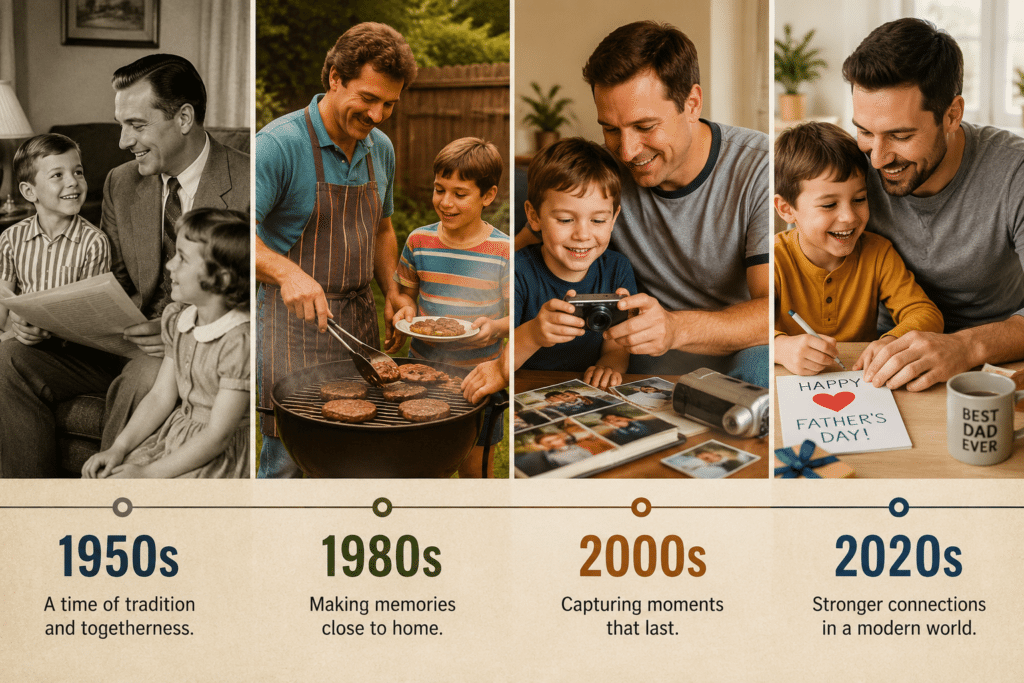
Father’s Day has changed because fatherhood itself has changed.
The holiday has reflected each generation’s ideas about what a good dad looks like.
1910s: A Local Tribute Begins
Father’s Day started as a local Spokane celebration built around church services, family appreciation, and Sonora Smart Dodd’s personal tribute to her father.
It was not yet a national tradition. It was a community-level idea with emotional roots.
1920s and 1930s: Commercial Skepticism
During the 1920s and 1930s, Father’s Day spread slowly. Retailers promoted traditional men’s gifts like ties, pipes, tobacco, and shaving items.
But many people still viewed the holiday as forced or commercial. Men especially were not always comfortable being celebrated in the same sentimental way mothers were.
1940s and 1950s: The Provider Dad
After World War II, Father’s Day became more connected to the image of the dependable family man.
The ideal dad of this era was often portrayed as the provider: hardworking, responsible, patriotic, and steady. Father’s Day gifts reflected that image with practical items like tools, watches, grooming products, and work-related accessories.
1960s and 1970s: Changing Roles
The 1960s and 1970s brought cultural change. Traditional gender roles were questioned. Families changed. Men were still expected to provide, but emotional involvement became more valued.
Father’s Day becoming official in 1972 happened during this larger cultural shift.
It marked a turning point: fathers were not just providers. They were emotional figures, role models, and active participants in family life.
1980s and 1990s: The Rise of the Involved Dad
By the 1980s and 1990s, media began showing more involved fathers. Sitcoms, movies, and advertising increasingly portrayed dads as funny, loving, flawed, and present.
Father’s Day became bigger commercially, but it also became more personal. Families celebrated with backyard grilling, sports, handmade cards, golf outings, fishing trips, and family dinners.
2000s and 2010s: Social Media Changes the Holiday
Social media changed Father’s Day in a major way.
Instead of only giving a card or making a phone call, people began posting public tributes to their dads, grandfathers, husbands, and father figures.
Facebook and Instagram turned Father’s Day into a day of photos, memories, captions, old family pictures, and emotional storytelling.
This era also shifted gift trends. Experiences became more popular: concerts, restaurants, weekend trips, brewery visits, cigar lounges, sporting events, and outdoor adventures.
2020s: Fatherhood Gets More Honest
In the 2020s, Father’s Day has become more inclusive and more emotionally honest.
Modern fatherhood includes biological dads, stepdads, adoptive dads, grandfathers, single dads, military dads, stay-at-home dads, and mentors who fill the role of father.
The pandemic years also changed how many families viewed fatherhood. Remote work gave some dads more time at home. Mental health, work-life balance, and emotional presence became bigger parts of the fatherhood conversation.
Today, people are more likely to celebrate not just what dads provide, but who they are.
Red, White & Bourbon: Patriotic Cocktails for Flag Day
How Father’s Day Is Celebrated Today
Modern Father’s Day celebrations vary from family to family, but several traditions remain popular.
Some families keep it simple with breakfast, cards, and a phone call. Others go big with cookouts, beach trips, bourbon tastings, cigar nights, fishing charters, golf, sports tickets, or weekend getaways.
Common Father’s Day traditions include:
- Grilling or barbecuing
- Taking Dad out to dinner
- Giving cards or handwritten notes
- Spending time outdoors
- Watching sports together
- Buying personalized gifts
- Planning a family activity
- Visiting grandparents
- Sharing old family stories
- Posting tributes on social media
The best Father’s Day celebration does not have to be expensive. In fact, many dads would rather have time, peace, appreciation, and a good meal than another random gadget.
A great Father’s Day can be as simple as sitting on the back porch, pouring a good bourbon, lighting a cigar, and having a real conversation.
Top 10 Best Yard Cigars Under $5 (2026 Edition)
Father’s Day Gift Trends in 2026

Father’s Day has become a major spending holiday.
According to the National Retail Federation, Father’s Day spending was expected to reach a record $24 billion in 2025, up from $22.4 billion the previous year. The NRF also reported that nearly half of consumers planned to buy a gift for a father or stepfather, with others shopping for husbands, sons, brothers, friends, and grandfathers.
For 2026, the most popular Father’s Day gift categories are likely to continue leaning toward a mix of practical gifts, personal gifts, and experience-based gifts.
Popular Father’s Day gift ideas include:
- Bourbon, whiskey glasses, or cocktail kits
- Cigars, humidors, cutters, and lighters
- Grilling accessories
- Fitness gear
- Golf gear
- Fishing equipment
- Smart home devices
- Watches
- Personalized mugs or signs
- Restaurant reservations
- Concert or sports tickets
- Weekend trips
- Grooming and self-care products
Bourbon Cigar Gifts: Last-Minute Father’s Day Ideas for Dads
Father’s Day Around the World
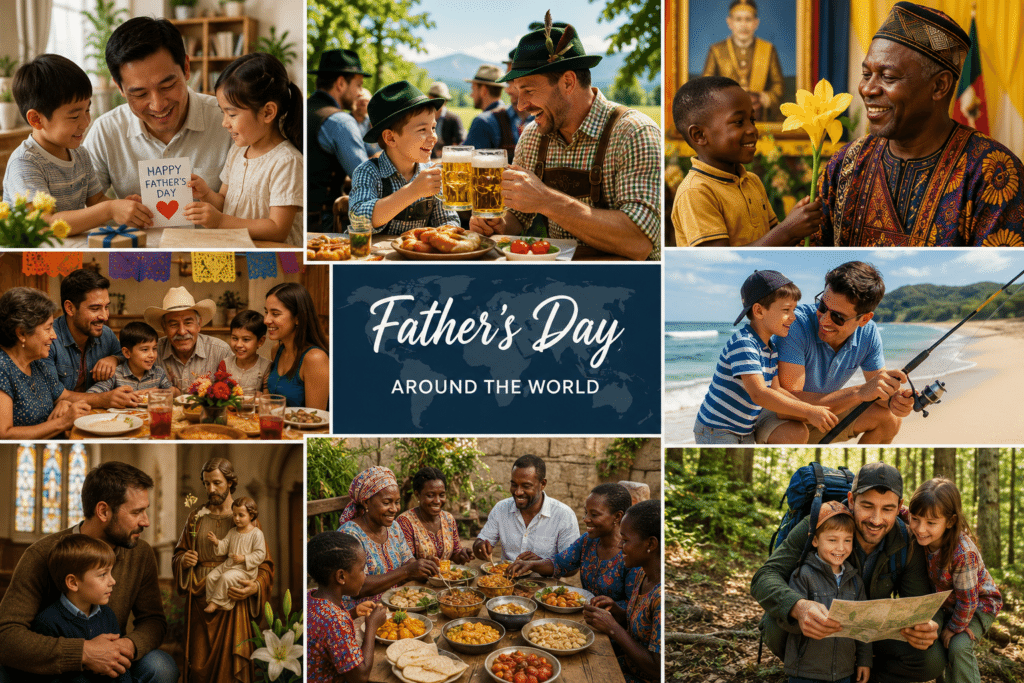
Father’s Day is celebrated in many countries, but not always on the same date or in the same way.
In the United States, Canada, and the United Kingdom, Father’s Day is usually celebrated on the third Sunday in June.
In Germany, Father’s Day is connected to Vatertag, which falls on Ascension Day. It is often associated with outdoor gatherings, hiking, wagons, beer, and male bonding.
In Thailand, Father’s Day has traditionally been celebrated on December 5, the birthday of the late King Bhumibol Adulyadej. The holiday has included yellow clothing, canna flowers, charity, and respect for fathers and the monarchy.
Father’s Day dates vary across the world. Brazil celebrates the holiday on the second Sunday in August, while Australia and New Zealand observe it on the first Sunday in September, when spring weather makes outdoor activities popular. In Italy, Spain, and some other Catholic-influenced countries, the holiday is tied to St. Joseph’s Day on March 19.
These different traditions show that fatherhood may be universal, but every culture adds its own flavor.
Every culture brings its own flavor to Father’s Day. In some places, families gather around food, while others honor fathers with flowers, religious traditions, outdoor adventures, or big family feasts.
But the heart of the holiday is the same: honoring fathers and father figures.
Bourbon Gifts: Best Father’s Day Gifts for Dad Under $50
The Cultural Importance of Father’s Day
Father’s Day matters because fathers matter.
That does not mean every family story is perfect. For many people, Father’s Day can bring up complicated emotions. Some are grieving a father they lost, while others may be dealing with strained relationships or the pain of growing up without a dad in the home.For many people, Father’s Day can be joyful, painful, complicated, or all three.
But that complexity is exactly why the day still matters.
Father’s Day gives families a chance to recognize positive male influence. It reminds dads that their presence matters. It encourages men to be more involved, more emotionally available, and more intentional.
The National Fatherhood Initiative states, citing U.S. Census Bureau data, that about 18.2 million children live without a biological, step, or adoptive father in the home.
The importance of fatherhood becomes even clearer when looking at national father absence statistics, which show how many children grow up without a father in the home.
That number is not just a statistic. It is a reminder that fatherhood has real social weight.
A good dad can influence a child’s confidence, discipline, emotional health, work ethic, relationships, and view of the world.
Father’s Day should not only celebrate dads who already have it figured out. It should also encourage men to step up, reconnect, mentor, heal, and become better.
How to Make Father’s Day More Meaningful
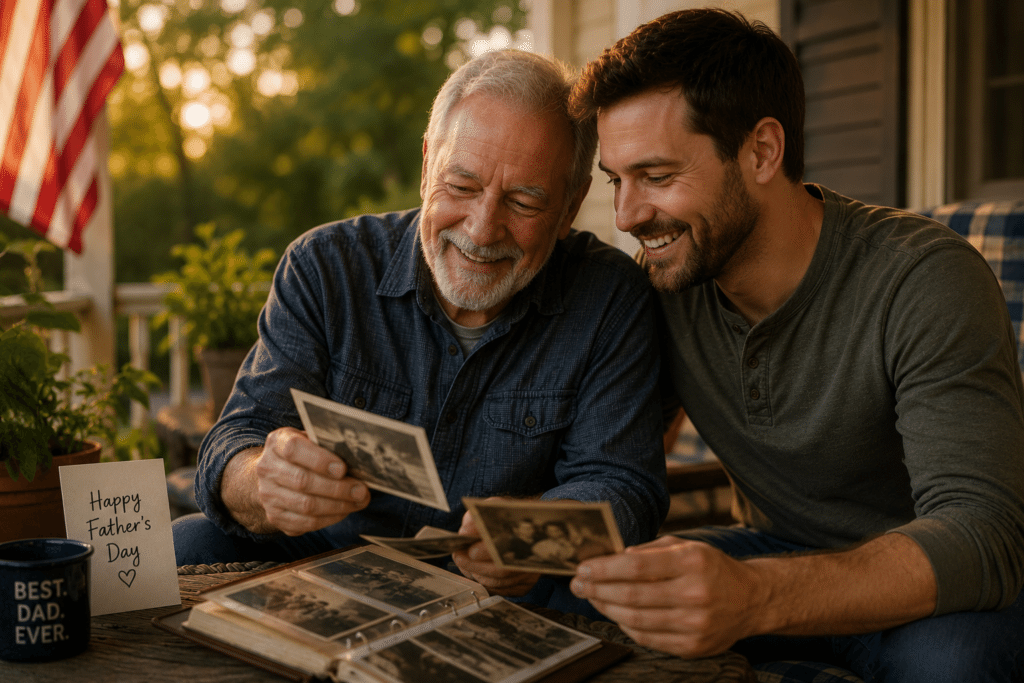
The best Father’s Day celebrations are not always the most expensive.
Here are a few ways to make Father’s Day more meaningful in 2026:
Write a Real Letter
A card is fine. A real letter is better.
Tell your dad, husband, grandfather, or father figure exactly what you appreciate. Mention specific memories. Talk about what he taught you. Say the things people often wait too long to say.
Give an Experience Instead of Just a Gift
A bottle of bourbon is great. A bourbon tasting together is better.
A cigar is great. Sitting outside and smoking one together is better.
A fishing rod is great. A morning on the water is better.
Experiences create stories, and stories last longer than stuff.
Record Family Stories
Ask Dad about his childhood, his first job, his favorite car, his biggest lesson, his proudest moment, or the hardest thing he ever overcame.
Record it if he is comfortable.
One day, those stories will matter more than you realize.
Celebrate the Father Figures Too
Father’s Day does not have to be limited to biological fathers.
Stepdads, grandfathers, uncles, coaches, mentors, older brothers, and family friends often play huge roles in people’s lives.
Honor the men who showed up.
Keep It Simple
Not every dad wants a packed schedule.
Some dads want a quiet morning, a good meal, a cold drink, a cigar, a game on TV, and no drama.
That counts too.
3 Must-Have Father’s Day Gifts for the Whiskey & Cigar Dad Who Deserves the Best in 2026
The Future of Father’s Day

Father’s Day will continue evolving as fatherhood evolves.
By 2030 and beyond, expect the holiday to become more experience-driven, more inclusive, and more focused on emotional connection.
A few trends are likely to shape the future of Father’s Day:
More Experience-Based Gifts
Families will continue moving toward memories over merchandise. Trips, classes, tastings, outdoor adventures, and family events will keep growing.
More Focus on Mental Health
Modern fatherhood includes stress, pressure, burnout, and emotional responsibility. Future Father’s Day campaigns may focus more on men’s mental health, balance, and support.
More Inclusive Definitions of Fatherhood
Stepfathers, adoptive fathers, single fathers, grandfathers, and mentors will become even more visible in Father’s Day content.
More Personalized Gifts
AI tools, custom products, photo books, personalized videos, and made-for-Dad experiences will become more common.
More Low-Waste and Sustainable Gifts
As consumers become more conscious, sustainable products, handmade gifts, local experiences, and practical long-lasting items may become more popular.
The holiday will still have gifts, grilling, and cards. But the meaning will continue shifting toward presence, gratitude, and connection.
Father’s Day 2026: When Is It?
Father’s Day 2026 falls on Sunday, June 21, 2026.
Because Father’s Day is celebrated on the third Sunday in June in the United States, the date changes every year.
If you are planning a Father’s Day gift guide, bourbon pairing article, cigar roundup, restaurant list, or local Tampa Bay Father’s Day guide, you should publish early.
For SEO, the best time to publish or update Father’s Day content is usually 4 to 8 weeks before the holiday. That gives Google time to crawl, index, and test your content before search demand peaks.
Final Thoughts: Father’s Day Is About Showing Up
The history of Father’s Day starts with one daughter honoring one father.
Sonora Smart Dodd wanted the world to recognize the man who raised her and her siblings after tragedy. More than a century later, that simple idea has become a national holiday, a global tradition, and a yearly reminder that fathers matter.
Yes, Father’s Day has become commercial. Yes, there are gifts, ads, cards, and spending trends.
But underneath all of that, the meaning is still simple.
Honor the men who showed up.
Thank the dads who sacrificed.
Remember the fathers who are gone.
Encourage the men still trying to become better.
And when Father’s Day 2026 arrives on June 21, make it count. Whether it is a backyard barbecue, a beach day, a bourbon pour, a cigar on the porch, or a quiet conversation, the best gift is genuine appreciation.
Because Father’s Day is not really about the tie, the tool, the bottle, or the dinner.
It is about the man behind it.

Eric Webber is the founder of Bathrobe Patriot, a lifestyle brand centered on bourbon, cigars, and common sense. As an ISSA-certified trainer and former restaurant owner with 20 years of experience, he values quality over quantity and backbone over political correctness. Currently, Eric lives in Safety Harbor, Florida, where he advocates for a life of balance, discipline, and the occasional slow pour. Consequently, his mission is to provide you with the unfiltered truth about the gear, spirits, and culture that define the American spirit.