
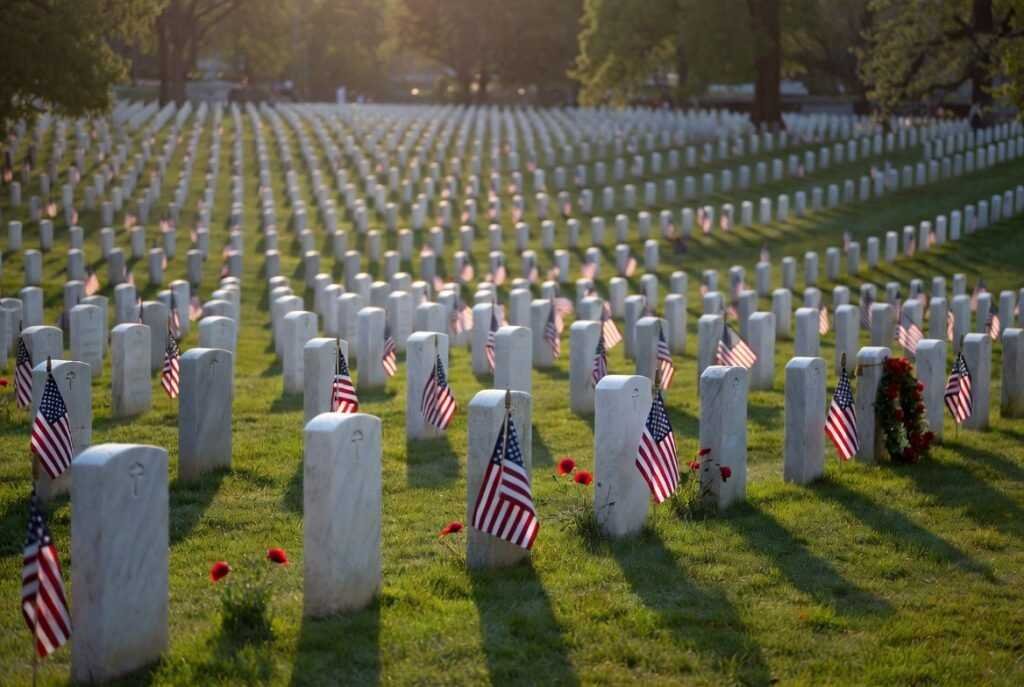
The true meaning of Memorial Day honors the men and women of the U.S. Armed Forces who died while serving our country. It stands as a solemn day of remembrance, not just another long weekend.
Memorial Day history traces directly back to the American Civil War. This conflict became the deadliest in U.S. history. More than 620,000 soldiers died—roughly 2% of the nation’s population. After the war ended, communities across the North and South grieved deeply. Families and neighbors searched for ways to honor the dead and heal their divided nation.
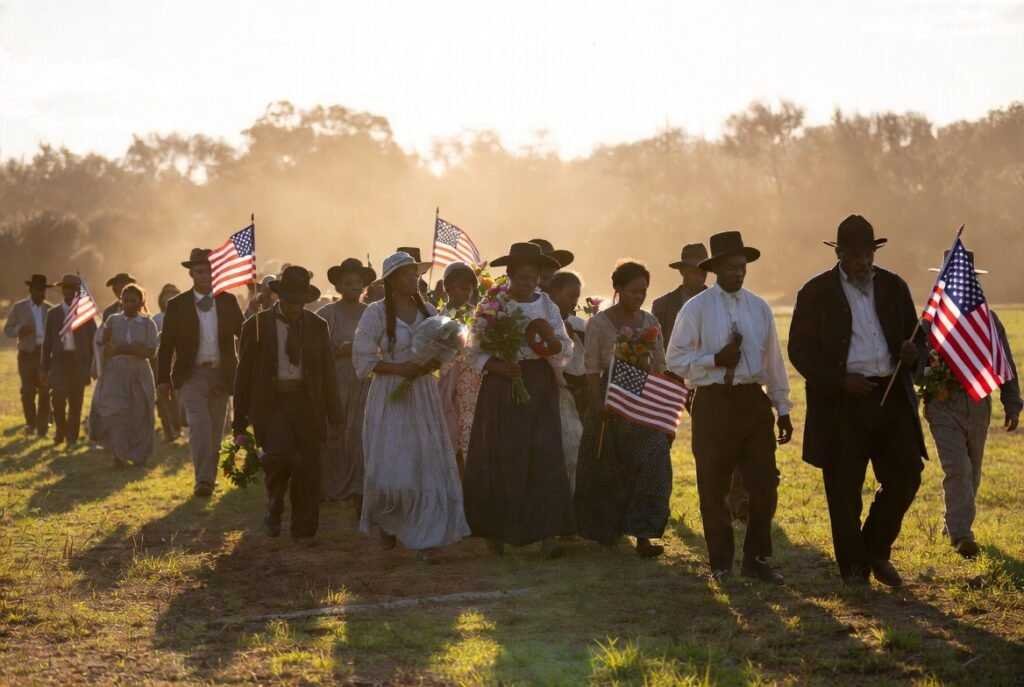
Additionally, people began gathering each spring. They decorated graves with flowers, wreaths, and flags. These informal ceremonies earned the name “Decoration Day.” Multiple towns claim the earliest observances. However, historians highlight one powerful event on May 1, 1865, in Charleston, South Carolina. Freed Black Americans—many formerly enslaved—organized a procession. They decorated the graves of Union soldiers buried in a former Confederate prison cemetery. They sang hymns and marched with the 54th Massachusetts and other U.S. Colored Troops. This gathering became one of the first major Decoration Day events. It symbolized both liberation and gratitude.
Other early observances took place in Columbus, Georgia, Boalsburg, Pennsylvania, and communities in Virginia and Pennsylvania between 1865 and 1866. These grassroots efforts spread quickly. Ordinary Americans used them to process unimaginable loss.
Patriotic Memorial Day Bourbon Cocktails: Easy & Delicious Drink Recipes
General John A. Logan and the First National Decoration Day
The origins of Memorial Day gained national momentum in 1868. On May 5, Major General John A. Logan issued General Order No. 11. As Commander-in-Chief of the Grand Army of the Republic, he designated May 30, 1868, for decorating the graves of fallen comrades. Logan chose this date because flowers would bloom across the country. He encouraged communities to honor the dead in their own meaningful ways. The order urged Americans to cherish the memory of their heroic dead.
The first large-scale national observance happened at Arlington National Cemetery. Congressman James A. Garfield (later President) delivered a moving speech. Afterward, about 5,000 people decorated more than 20,000 graves of both Union and Confederate soldiers. By 1873, New York made Decoration Day an official holiday. Northern states soon followed. Southern states initially held separate observances for Confederate dead, but they gradually joined the national tradition.
From Decoration Day to Memorial Day
Originally, the holiday focused only on Civil War casualties. However, its scope expanded after World War I. Over 116,000 Americans died in that conflict. As a result, Decoration Day began honoring all U.S. service members who died in any war. The name “Memorial Day” gradually replaced “Decoration Day” in everyday use.
In 1967, Congress officially changed the name to Memorial Day. Then, in 1968, Congress passed the Uniform Monday Holiday Act. This law created three-day weekends for federal employees. Since 1971, Americans observe Memorial Day on the last Monday in May. Some people debate whether this shift dilutes the holiday’s solemnity. Yet the true meaning of Memorial Day remains unchanged: it honors those who made the ultimate sacrifice.
Additionally, in 2000, Congress established the National Moment of Remembrance. This act created a formal pause at 3:00 p.m. local time for silent reflection.
Benchmark 8 Bourbon Review: Why It’s My Go-To Daily Sipper
Key Traditions That Embody the True Meaning of Memorial Day
Several enduring traditions reinforce the true meaning of Memorial Day.
- Flags fly at half-staff from sunrise until noon. They then rise to full staff for the rest of the day.
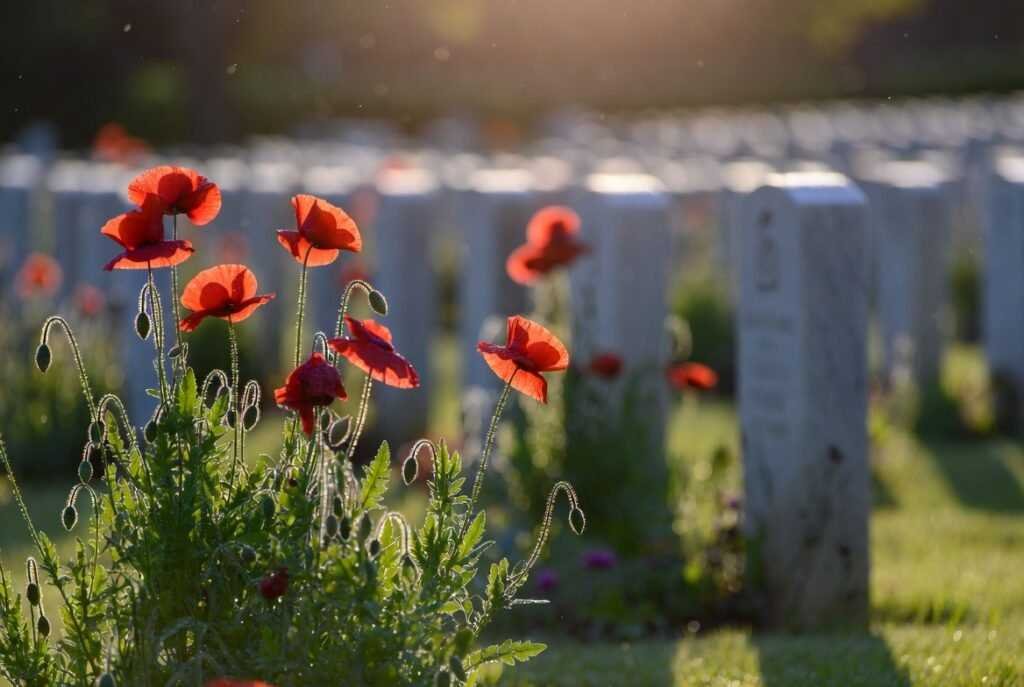
- Red poppies serve as a powerful symbol. The 1915 poem “In Flanders Fields” inspired this custom. Moina Michael began distributing silk poppies in 1918. The American Legion adopted the poppy in 1920. Today, people wear one or place them on graves.
- The bugle call “Taps” plays at military funerals and Memorial Day services.
- Communities hold parades, cemetery visits, and memorial services. At Arlington National Cemetery, the Old Guard places flags on every grave during the “Flags-In” tradition.
- The National Moment of Remembrance occurs at 3:00 p.m. local time. Americans pause in silence to honor the fallen.
These rituals connect generations to the sacrifices of the past.
Rowdy’s Final Lap: Remembering Kyle Busch, NASCAR’s Fiercest Champion (1985–2026)
The True Meaning of Memorial Day vs. Veterans Day
People often confuse Memorial Day with Veterans Day. The true meaning of Memorial Day focuses specifically on those who died while serving. Veterans Day thanks all who have served, living or deceased. Armed Forces Day honors those currently serving. Mixing these holidays can unintentionally weaken Memorial Day’s solemn focus.
Memorial Day is not about celebration. Instead, it calls for remembrance. It reminds us that freedom is not free. The cost came from those who never came home.
Why the True Meaning of Memorial Day Still Matters Today
In our fast-paced world, many view Memorial Day as just another day off. Yet the true meaning of Memorial Day remains deeply relevant. It forces us to confront the human cost of freedom. Every right we enjoy was defended by someone who gave everything.
More than 1.3 million Americans have died in military service since the Revolutionary War. Each name on a headstone represents a family forever changed. By preserving Memorial Day history and its origins, we teach future generations that liberty requires vigilance and sacrifice.
Furthermore, Memorial Day unites us in an era of division. It transcends politics and reminds us of our shared American story—one written in courage and loss. As General Logan wrote in 1868, we must cherish the memory of our heroic dead.
Ultimate Guide to Cigar Sizes & Shapes: Vitolas, Ring Gauges, Smoke Times & Bourbon Pairings
How to Honor the True Meaning of Memorial Day in Your Community
You can honor the true meaning of Memorial Day in simple, meaningful ways:
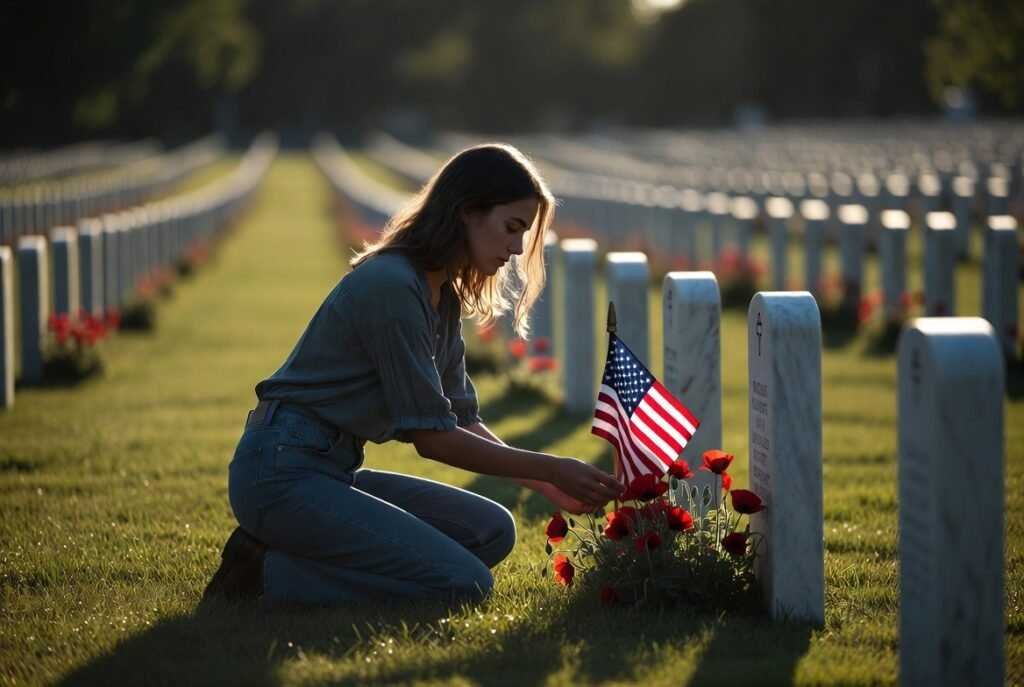
- Visit a national or local cemetery and place flowers or a flag on a grave.
- Observe the National Moment of Remembrance at 3:00 p.m.
- Attend a parade or memorial service.
- Teach children the history and traditions.
- Wear a red poppy or display one at home.
- Support Gold Star families who lost loved ones in service.
If you host a gathering, pair reflection with refreshment. Raise a glass with one of our patriotic Memorial Day bourbon cocktails after a moment of silence. This honors the day while celebrating the freedoms those heroes defended. (See our full guide: Patriotic Memorial Day Bourbon Cocktails: Easy & Delicious Drink Recipes.)
For more on the holiday’s powerful history, visit the official National Cemetery Administration page: Memorial Day History – U.S. Department of Veterans Affairs.
Final Thoughts: Keeping the Flame of Remembrance Alive
The true meaning of Memorial Day is simple yet sacred. It is a day to pause, remember, and honor the fallen who gave their lives so we could live in freedom. From the flowers placed by freed Americans in Charleston in 1865 to today’s half-staff flags and 3 p.m. moments of silence, Memorial Day history calls us to gratitude and reflection.
This year and every year, let us recommit to the solemn promise: We will never forget. By understanding the origins, embracing the traditions, and sharing the true meaning of Memorial Day with family and friends, we keep the memory of America’s heroes alive.
Which part of Memorial Day history resonates most with you? Share in the comments below, visit a cemetery this weekend, and observe the National Moment of Remembrance. Together, we ensure their sacrifice is never forgotten.
🇺🇸

Eric Webber is the founder of Bathrobe Patriot, a lifestyle brand centered on bourbon, cigars, and common sense. As an ISSA-certified trainer and former restaurant owner with 20 years of experience, he values quality over quantity and backbone over political correctness. Currently, Eric lives in Safety Harbor, Florida, where he advocates for a life of balance, discipline, and the occasional slow pour. Consequently, his mission is to provide you with the unfiltered truth about the gear, spirits, and culture that define the American spirit.