
Hey neighbors, it’s your Bathrobe Patriot here. I’m sipping coffee in the robe and thinking about the ground we all walk on every day. Safety Harbor isn’t just a pretty spot on Old Tampa Bay. We certainly love our friendly 3rd Friday street parties and those spring park picnics. However, this place has roots that run 12,000 years deep. It is a story of resilient Indigenous people, daring explorers, and pioneer grit. Because of this, the history of Safety Harbor, Florida represents the kind of small-town American comeback that makes you proud to fly the flag.
If you’re new around here or just love a good hometown tale, this deep-dive is for you. We’re talking real Americana, including families building lives from the wilderness and healing springs that drew people for centuries. I’ve crawled the most reliable sources to bring you the clearest, most accurate picture of the history of Safety Harbor, Florida. Specifically, these include the City’s own records, the Chamber of Commerce, Pinellas County parks info, and the Safety Harbor Museum. There is no fluff here, just the facts wrapped in that neighborly pride we all share.
By the end, you’ll see why this town feels like classic America. Our past isn’t forgotten; rather, it’s celebrated in our parks, our downtown, and even that iconic resort spa. Please stick around for the full story. In addition, I’ll link you to local gems like our 3rd Friday guide so you can experience this heritage yourself. Let’s dive in.
Discover the History of Bourbon as America’s Spirit of Freedom
The Ancient Foundations: 12,000 Years of the History of Safety Harbor, Florida
Long before any of us called this home, our story began in the Stone Age. Archaeologists have uncovered evidence of human activity here going back over 12 millennia. One standout discovery occurred in June 2008. For instance, a 6,000-year-old spearhead was found right at Marshall Street Park. That little artifact reminds us this land has always been special. Indeed, it was a place where people hunted, fished, and thrived along the bay.
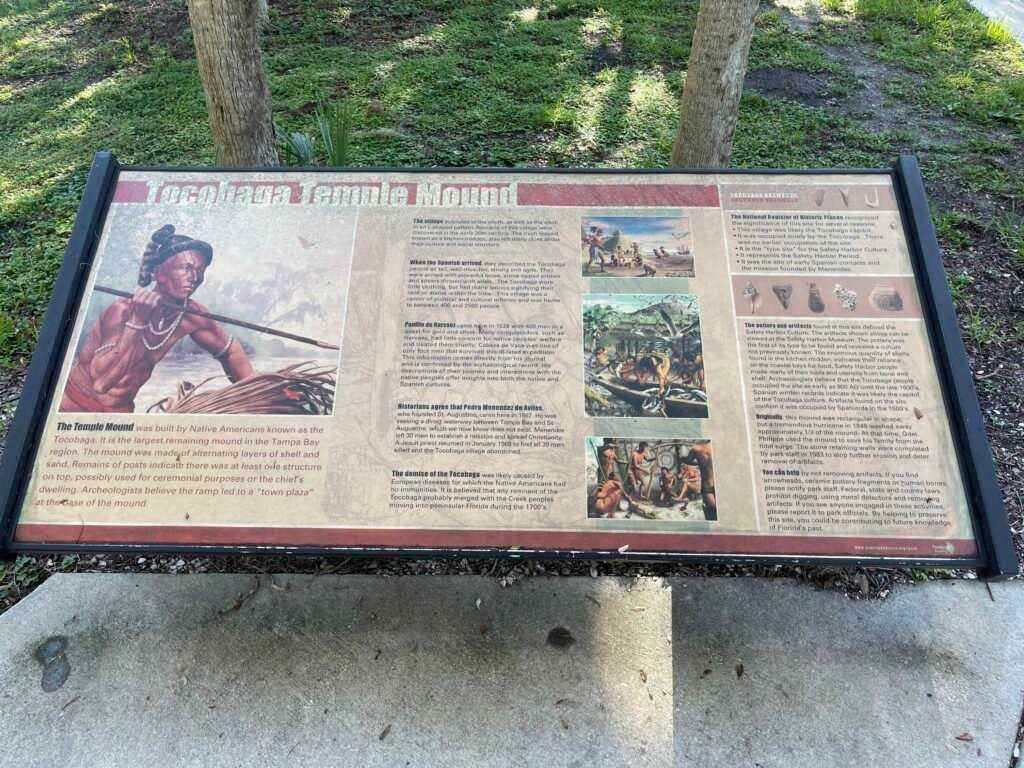
Fast-forward to what historians call the Safety Harbor culture (roughly 900–1700 AD). This was the era of the Tocobaga people. They were a sophisticated chiefdom whose principal town sat right where Philippe Park stands today. Furthermore, the Tocobaga built impressive ceremonial and burial mounds using layers of shell, sand, and earth. Their main temple mound still rises about 20 feet high. Currently, it remains the largest remaining mound in the entire Tampa Bay area. Its summit plateau was once topped by a structure that may have been a temple or the chief’s dwelling. Researchers also found post holes and clay layers there, plus two shell middens and a smaller burial mound nearby.
These weren’t random piles of dirt. On the contrary, the mounds were central to Tocobaga life. They served as spots for ceremonies connecting the spiritual and physical worlds. Additionally, they were hubs for a hierarchical society that relied on shellfish gathering, hunting, and trade. Pottery, shell tools, beads, and even copper artifacts show a complex culture. They had connections across the Gulf Coast, stretching from Crystal River down to Bradenton. Consequently, the Safety Harbor Site is the “type site” for this whole culture. This means it’s the benchmark archaeologists use to understand this period of Florida’s past.
Visiting the Tocobaga Heritage
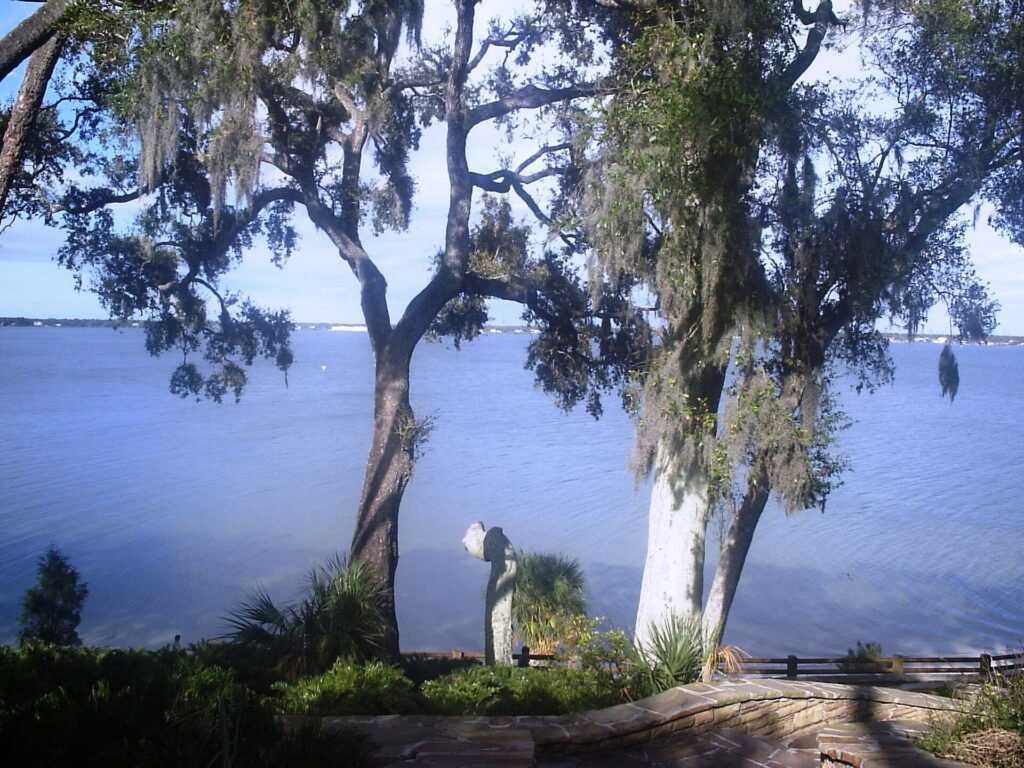
You can still visit the Tocobaga Temple Mound at Philippe Park today. It was designated a National Historic Landmark in 1964 and stands as Pinellas County’s oldest park. While standing there on a quiet morning, you feel the weight of that heritage. It’s a powerful reminder of the Indigenous stewards who called this land home for centuries. Although most other mounds were lost to early 20th-century development, this one endures as a protected treasure. The Safety Harbor Museum & Cultural Center does a fantastic job displaying these artifacts to bring the era to life.
The American Way: Baseball, Bourbon, and Bold Living
European Encounters: Spanish Explorers and the “Holy Waters”
In the early 1500s, European ships began appearing on the horizon. This shift forever changed the Tocobaga world. Spanish explorer Pánfilo de Narváez landed in the Tampa Bay area in April 1528 with about 300 men. His expedition sought gold and conquest. Instead, they faced storms, disease, and resistance. Therefore, it remains a story of ambition meeting reality on Florida’s shores.
Just over a decade later, in 1539, Hernando de Soto arrived with a much larger force. De Soto’s men came ashore near what we now call Safety Harbor. According to accounts, he named the area’s natural mineral spring Espíritu Santo Springs (“Springs of the Holy Spirit”). He believed it might be tied to the legendary Fountain of Youth. Whether or not that was the goal, the reputation for healing waters would echo for centuries. It is important to note that the Tocobaga and Timuquan people had already been fishing and bathing there long before.
The Impact of Contact
Contact with the Spanish brought more than names and stories. In 1567, Governor Pedro Menéndez de Avilés established a short-lived mission-fort at the Tocobaga capital. The effort lasted only until around 1572. At that point, the Spanish withdrew and burned the town. Because of European diseases and conflict, the native population suffered a devastating toll. By the late 1600s, the once-thriving population had been decimated. Consequently, the site was largely abandoned by 1700.
It’s a sobering chapter in our shared history. It underscores both the resilience of the land and the human cost of exploration. Interestingly, the name “Safety Harbor” comes from a practical pirate-era nickname in the early 18th century. Ships that made it into this sheltered part of the bay were finally “safe” from threats. Before that time, the area was known locally as Worth’s Harbor or Green’s Springs.
The Pioneer Era: Odet Philippe and Modern Roots
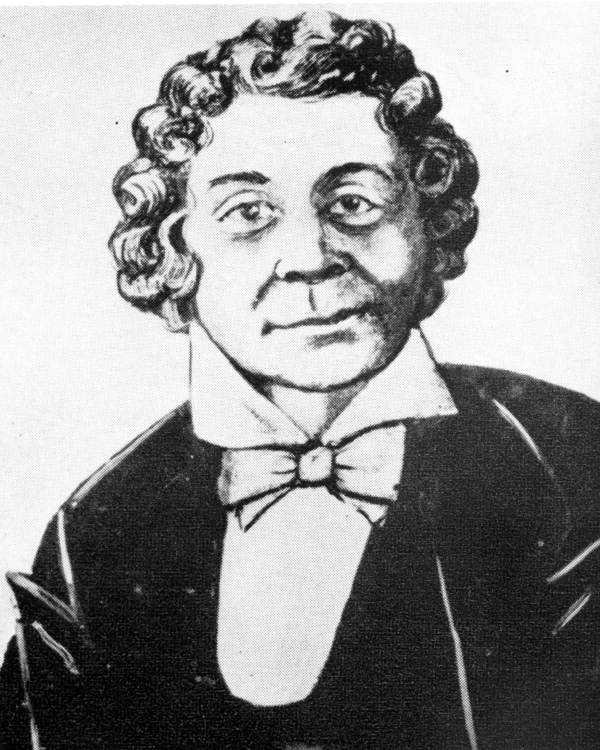
Fast-forward to the 19th century, when the first permanent non-native settler arrived. In 1842, Count Odet Philippe claimed 160 acres under the Armed Occupation Act. He was a French physician and former sailor. After arriving, he built a plantation on a bluff overlooking Old Tampa Bay, right on the former Tocobaga lands.
Philippe didn’t just farm; he transformed the entire region. For example, he is widely credited with introducing grapefruit to Florida and popularizing citrus overall. He also brought cigar-making techniques that later shaped Tampa’s industry. His descendants, including the McMullen and Booth families, became foundational pioneer clans. McMullen-Booth Road still honors them today. Life on the frontier wasn’t easy, yet Philippe’s legacy of innovation embodies that classic American pioneer spirit. Finally, he passed in 1869 and was buried somewhere on his plantation.
After the Civil War, Safety Harbor grew from a sparse fishing village into a budding community. The 1880s brought more homes and businesses. One standout is the 1889 construction of Ingleside. This beautiful house at 333 South Bayshore Boulevard earned a spot on the National Register of Historic Places in 1992.
Railroads and the 20th-Century Boom in the History of Safety Harbor, Florida
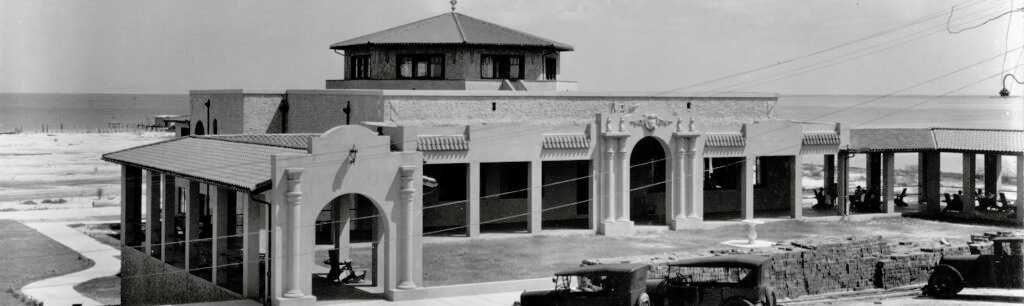
Things really took off when the Tampa and Gulf Coast Railroad arrived in 1914. Suddenly, goods, people, and ideas flowed easier. On June 19, 1917, Safety Harbor officially incorporated as a city. But growth wasn’t without setbacks. A devastating fire soon swept through downtown and destroyed much of the business district. Nevertheless, the town rebuilt stronger with new energy.
The Espiritu Santo Springs became the star attraction. By the turn of the century, tourists arrived by ferry or stagecoach for the mineral-rich “healing waters.” In 1925, the Safety Harbor Sanitarium Company purchased the site. Later, in 1945, Dr. Salem H. Baranoff acquired the property. He transformed it into the world-famous Safety Harbor Resort and Spa. This location drew celebrities and dignitaries seeking wellness. The resort earned Historic Landmark status in 1964. Today, it still blends history with modern relaxation right on the bay.
Safety Harbor Today: Honoring the Past
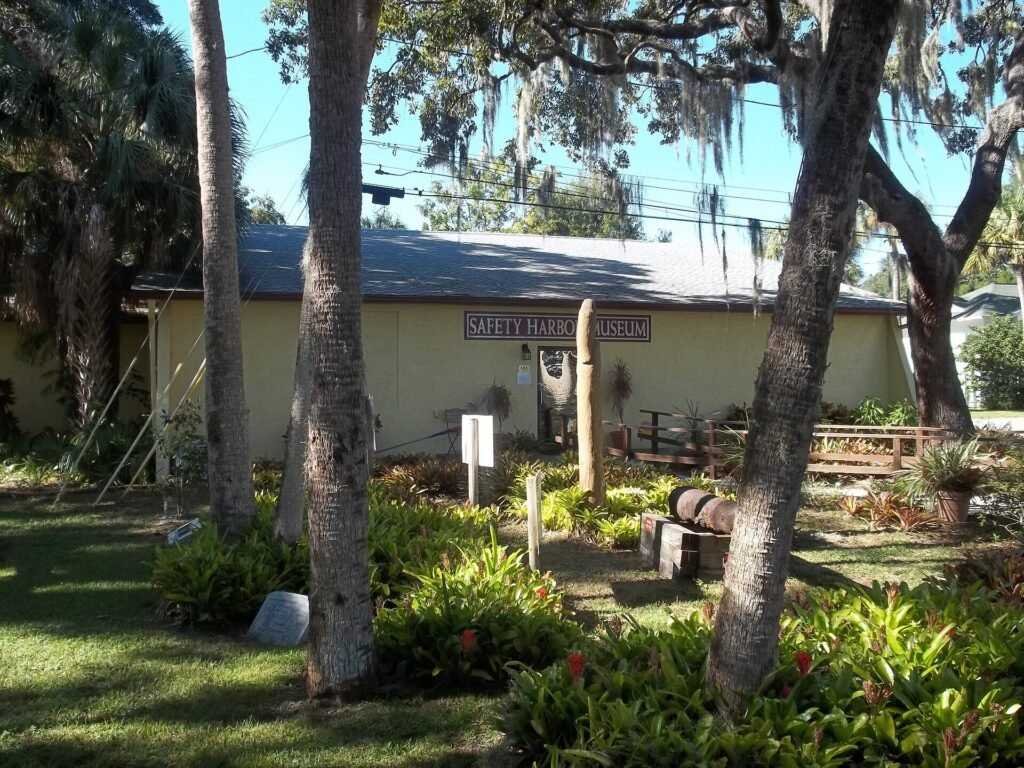
From ancient mounds to Philippe’s citrus groves, our history is a tapestry of endurance. The Safety Harbor Museum & Cultural Center at 329 Bayshore Blvd. S. preserves it all. Their exhibits span 12,000 years of fossils, photos, and stories. Because it is open Thursday through Sunday, it is worth every visit.
What ties it all together? It is that small-town American spirit we live every day. Whether you’re catching live music at the SHAMc or enjoying a park picnic, you’re walking in historic footsteps. This is proof that communities thrive when they remember where they came from.
As the Bathrobe Patriot, I love how this history of Safety Harbor, Florida fuels our local pride. It’s why I started sharing these stories: to connect the dots from past to present.
Ready to Experience the History Yourself? If this post fired you up, head over to Philippe Park and stand on that temple mound. For more relaxed local vibes, check my guide to the Spring Community Park Events.
External resources for deeper reading:
• City of Safety Harbor Official Site
• Safety Harbor Chamber of Commerce History Page
Thanks for reading this love letter to our town’s past. Drop a comment below with your favorite Safety Harbor history fact or family story. Let’s keep the conversation going, neighbor to neighbor.
Stay proud, stay local, and keep that American spirit alive.
Everyday Patriotism: Front-Porch Pride and Bold Living

Eric Webber is the founder of Bathrobe Patriot, a lifestyle brand centered on bourbon, cigars, and common sense. As an ISSA-certified trainer and former restaurant owner with 20 years of experience, he values quality over quantity and backbone over political correctness. Currently, Eric lives in Safety Harbor, Florida, where he advocates for a life of balance, discipline, and the occasional slow pour. Consequently, his mission is to provide you with the unfiltered truth about the gear, spirits, and culture that define the American spirit.