
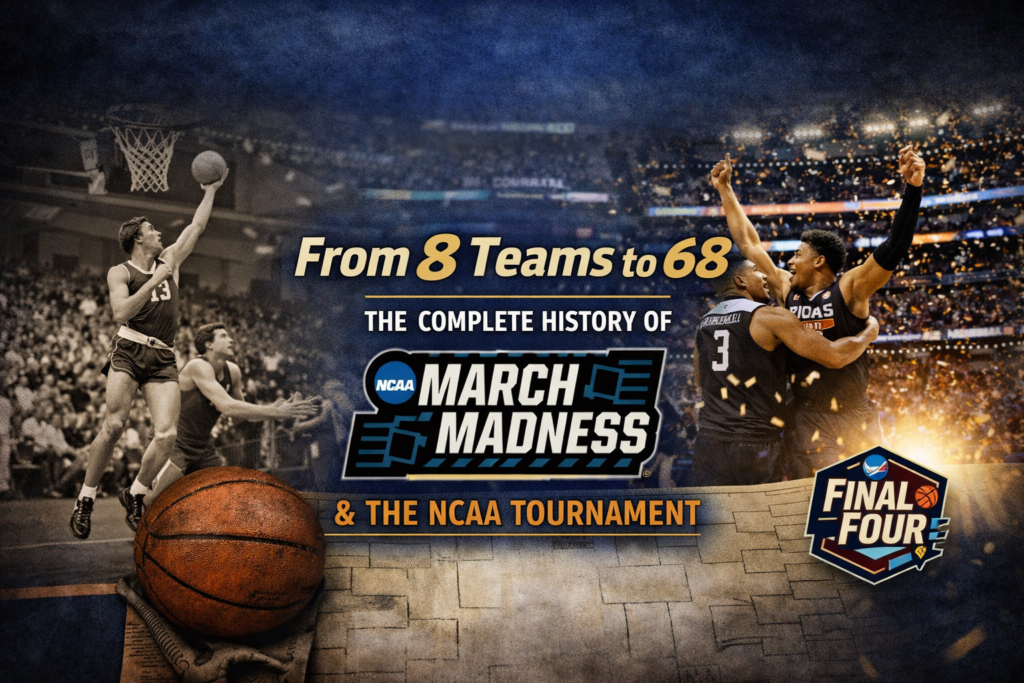
Every spring, millions of Americans fill out brackets. They argue over Cinderella teams. They also tune in to watch buzzer-beaters that will be talked about for decades. This tradition is called March Madness. It is the NCAA men’s basketball tournament. March Madness has become one of the most exciting sporting events in America. Before diving into today’s tournament, let’s explore the history of March Madness. We will see how it became such a cultural phenomenon.
However, the history of March Madness didn’t begin with 68 teams, billion-dollar television deals, or nationwide bracket pools. Instead, the NCAA Tournament started as a modest event with just eight teams competing for a national championship.
Over time, the tournament evolved into a massive cultural phenomenon that captivates sports fans every March. Understanding the history of the NCAA Tournament reveals how March Madness became one of America’s greatest sporting traditions.
The Origins of March Madness (1939)
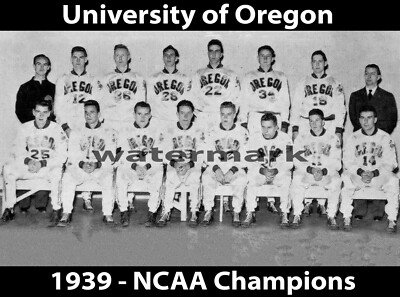
The first NCAA basketball tournament took place in 1939, when the National Collegiate Athletic Association created a postseason tournament to determine the national champion in men’s college basketball.
That first tournament featured only eight teams. Games were played in just a handful of locations, and the event received little national attention compared to today’s spectacle.
The inaugural championship game saw the University of Oregon defeat Ohio State 46–33, earning the Ducks the title of the first NCAA basketball champions.
At the time, the tournament was actually overshadowed by another event: the National Invitation Tournament (NIT), which many people considered the more prestigious competition.
However, the NCAA Tournament would slowly grow into something much bigger.
For official historical records, you can explore the NCAA’s archive here:
https://www.ncaa.com/history/basketball-men/d1
How the NCAA Tournament Grew
The history of March Madness is really a story of steady expansion.
During the 1950s and 1960s, college basketball exploded in popularity across the United States. Legendary programs and iconic coaches helped bring national attention to the tournament.
As interest grew, the NCAA expanded the tournament field.
Key Expansion Milestones
1951 — 16 Teams
The NCAA doubled the size of the tournament from eight teams to sixteen. This allowed more conferences to send representatives and increased the national reach of the event.
1975 — Conference Champions No Longer Required
Before 1975, only conference champions were allowed into the tournament. When the NCAA changed this rule, powerhouse teams that finished second in strong conferences could still compete for the national title.
This change dramatically increased the quality of the tournament.
1985 — The Tournament Expands to 64 Teams
This expansion is one of the most important moments in the history of March Madness.
With 64 teams, the tournament adopted the now-famous single-elimination bracket format that fans recognize today. The expansion also introduced the possibility of Cinderella teams, small schools that upset heavily favored programs.
For example, teams like Villanova in 1985 shocked the basketball world by winning the championship as an underdog.
You can learn more about the evolution of the NCAA tournament format here:
https://www.britannica.com/sports/NCAA-basketball-tournament
When the Term “March Madness” Was Born
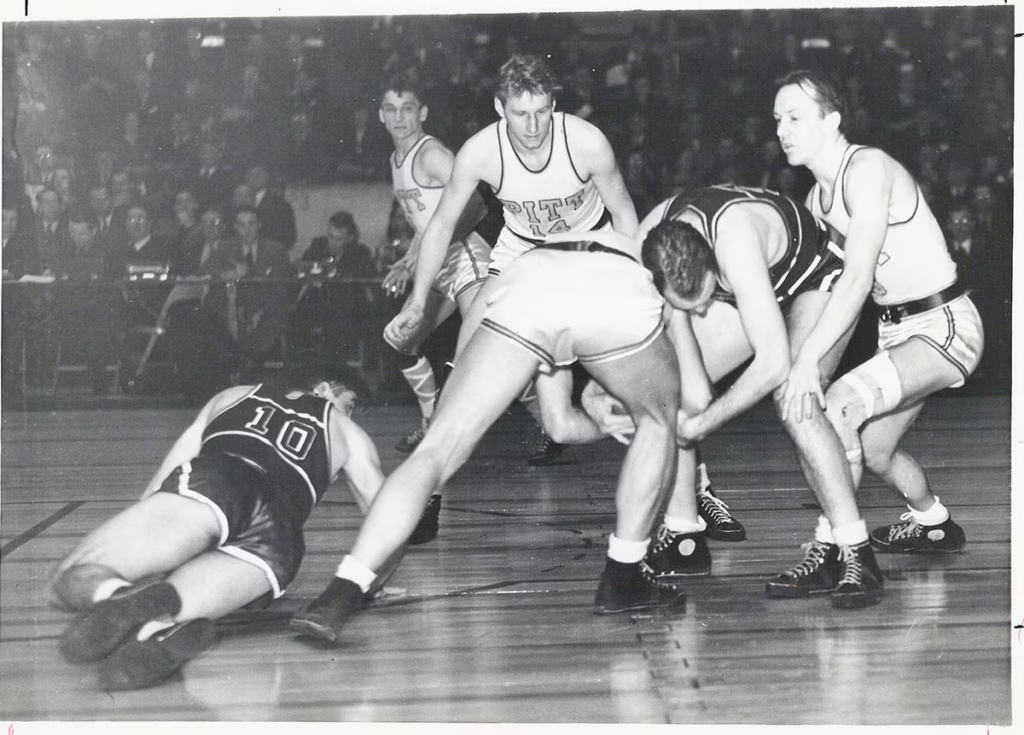
Interestingly, the phrase “March Madness” wasn’t originally associated with the NCAA Tournament.
The term was first used in Illinois high school basketball during the 1930s. Sportswriters used the phrase to describe the excitement and unpredictable nature of state championship tournaments.
Over time, the phrase migrated to the NCAA tournament. By the 1980s, television broadcasters and fans were widely using March Madness to describe the dramatic college basketball postseason.
Today, the NCAA officially trademarks the term, and it has become synonymous with buzzer-beaters, bracket busters, and unforgettable moments.
The Birth of the Bracket Culture
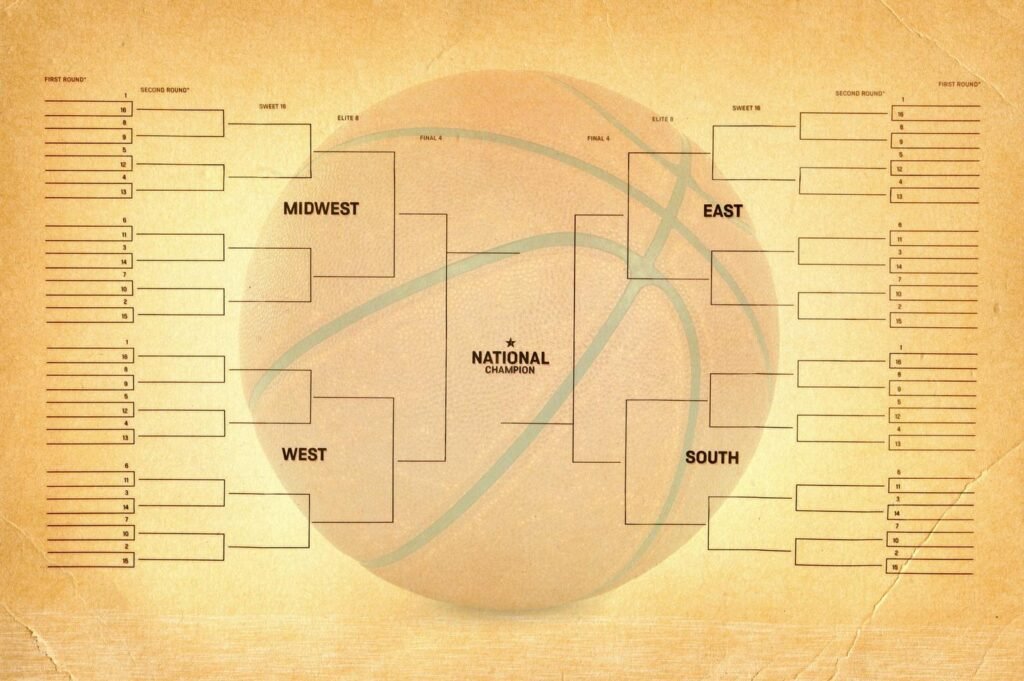
One of the most fascinating parts of the history of March Madness is the rise of the bracket challenge.
The idea is simple: fans predict the outcome of every game in the tournament before it begins. If your predictions are correct, your bracket advances.
However, predicting a perfect bracket is almost impossible.
Mathematically, the odds of selecting every winner correctly are estimated to be 1 in 9.2 quintillion.
Despite the long odds, millions of Americans fill out brackets every year. Office pools, online competitions, and friendly rivalries have turned bracket-filling into a national ritual.
Major platforms like ESPN host massive public bracket contests every year:
https://www.espn.com/mens-college-basketball/bracket
“pairing a game night with a great pour”
The Cinderella Stories That Define March Madness
Perhaps the most exciting part of the NCAA Tournament is the Cinderella story.
These are the moments when smaller schools defeat powerhouse programs on the national stage.
Some of the most famous Cinderella runs include:
Villanova (1985)
Villanova entered the tournament as an 8-seed, yet they stunned the basketball world by defeating Georgetown in the championship game.
George Mason (2006)
The Patriots became the first 11-seed to reach the Final Four, defeating several major programs along the way.
Florida Atlantic (2023)
More recently, Florida Atlantic shocked fans by advancing deep into the tournament, reminding everyone that March Madness is unpredictable.
These underdog victories are a major reason why the tournament captivates fans every year.
“best Irish whiskeys to keep on the shelf”
The Modern 68-Team Tournament
Today, the NCAA Tournament features 68 teams competing in a single-elimination bracket.
The tournament begins with the First Four, four play-in games that determine which teams advance into the traditional 64-team bracket.
From there, the tournament unfolds over three dramatic weekends:
- First Round
- Second Round
- Sweet Sixteen
- Elite Eight
- Final Four
- National Championship
Each round produces unforgettable moments, dramatic upsets, and legendary performances.
Because of its unpredictability and intensity, many fans consider March Madness the most exciting postseason tournament in sports.
“budget cigars perfect for watching the tournament”
Why March Madness Became a Cultural Phenomenon

The history of March Madness shows that the tournament grew for several important reasons.
Television Exposure
In 1982, CBS began broadcasting the NCAA Tournament nationally. This television exposure brought the excitement of March Madness into living rooms across America.
Bracket Pools
Friendly competitions among coworkers and friends dramatically increased engagement.
Unpredictable Outcomes
Because the tournament is single elimination, even the best teams can be eliminated by a single bad game.
This unpredictability is what makes March Madness so thrilling.
March Madness and American Sports Culture
Today, March Madness is more than just a basketball tournament.
It has become a cultural event that signals the arrival of spring and unites fans across the country.
Sports bars fill with fans watching multiple games at once. Families gather around televisions to watch dramatic finishes. Meanwhile, millions of brackets live or die with every last-second shot.
For many fans, March Madness represents everything great about sports: passion, unpredictability, and the chance for underdogs to achieve greatness.
Final Thoughts: From 8 Teams to a National Obsession
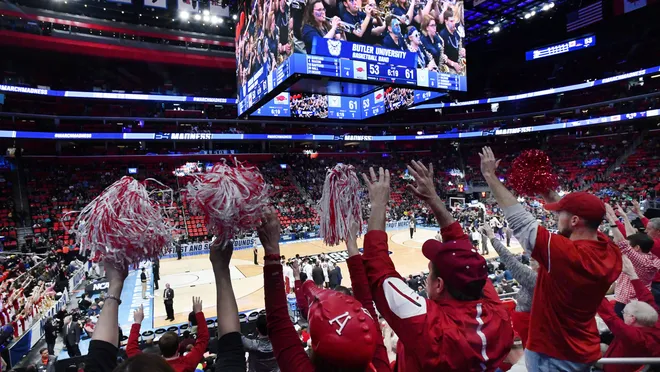
Looking back at the history of March Madness, it is remarkable how far the NCAA Tournament has come.
What began as a small eight-team tournament in 1939 has evolved into a 68-team national spectacle watched by millions.
Along the way, the tournament produced legendary games, unforgettable players, and Cinderella stories that define college basketball.
Whether you are a casual fan filling out a bracket or a die-hard basketball enthusiast, one thing is certain:
When March arrives, anything can happen.
That is why we call it March Madness.
Want the next chapter of tournament chaos? Read From Underdogs to Legends: The Best Cinderella Runs in March Madness History to see how underdog teams turned March into legend.

Eric Webber is the founder of Bathrobe Patriot, a lifestyle brand centered on bourbon, cigars, and common sense. As an ISSA-certified trainer and former restaurant owner with 20 years of experience, he values quality over quantity and backbone over political correctness. Currently, Eric lives in Safety Harbor, Florida, where he advocates for a life of balance, discipline, and the occasional slow pour. Consequently, his mission is to provide you with the unfiltered truth about the gear, spirits, and culture that define the American spirit.